-


CVC Word Phonics Learning Game Set for Preschool and Kindergarten – Early Reading Toy Ages 4-6
Regular price $112.00Regular priceUnit price per$212.00Sale price $112.00SAVE 47% -
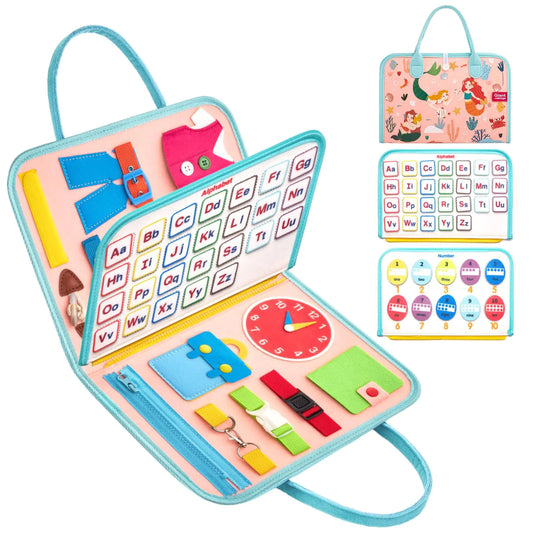
Little Mermaid Montessori Busy Board – 17-Activity Toddler Sensory Learning Toy Ages 1-4
Regular price $141.00Regular priceUnit price per$240.00Sale price $141.00SAVE 41% -
Montessori Wooden Bead Maze Toy – Fine Motor Activity Ages 1-4
Regular price $169.00Regular priceUnit price per$283.00Sale price $169.00SAVE 40% -
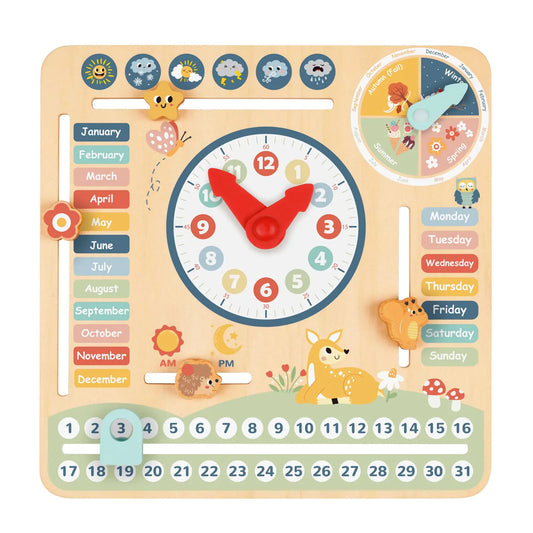
Montessori Wooden Daily Calendar Board – Time & Weather Learning Toy
Regular price $127.00Regular priceUnit price per$212.00Sale price $127.00SAVE 40% -


400 Sight Words Talking Flash Cards for Toddlers – Screen-Free Electronic Learning Toy Ages 1-5
Regular price $141.00Regular priceUnit price per$212.00Sale price $141.00SAVE 33%






Language learning toys for kids help children build vocabulary, speech confidence, listening skills, letter recognition, phonics awareness and early literacy through playful, hands-on learning. The best toys for developing language skills make words, sounds, letters and stories feel fun instead of forced.
This collection includes language learning toys, speech development toys, toy laptops for kids, toy laptops for toddlers, hands-on phonics toys, bilingual learning toys, alphabet toys, vocabulary toys, talking flash cards, early literacy toys, reading readiness toys, spelling toys, word-building toys and communication toys for toddlers, preschoolers and early elementary children.Best Types of Language Learning Toys for Kids
The best toys for language development give children repeated chances to hear, say, match, build and understand words. Some toys focus on speech and vocabulary, while others support letters, phonics, bilingual learning, early reading or storytelling.
Speech Development Toys
Talking toys, vocabulary cards, sound games and pretend play sets encourage children to listen, imitate, name objects and use words in playful ways.
Toy Laptops for Kids
Toy laptops for kids and toddlers can introduce letters, numbers, vocabulary, phonics, music, bilingual words and early learning activities in an interactive format.
Alphabet & Letter Recognition Toys
Alphabet toys, letter matching games, magnetic letters and letter puzzles help children recognize letter shapes, names and beginning sounds.
Hands-On Phonics Toys
Hands-on phonics toys help children connect letters with sounds through matching, moving, building, listening and early word play.
Bilingual Learning Toys
Bilingual learning toys introduce words, sounds, greetings and vocabulary in more than one language, supporting multilingual exposure through play.
Early Literacy Toys
Word-building toys, spelling games, story cards and reading readiness toys help children connect spoken language with early reading and writing skills.
Language Learning Toys by Age
12–24 Months
For young toddlers, choose simple talking toys, picture cards, sound toys, vocabulary toys and beginner bilingual learning toys with clear audio.
Ages 2–3
For ages 2 to 3, choose a toy laptop for toddlers, talking flash cards, alphabet toys, vocabulary games and simple speech development toys.
Ages 3–5
For preschoolers, choose phonics toys, toy laptops for kids, bilingual toys, alphabet games, magnetic letters and early literacy toys.
Ages 5–7+
For early readers, choose spelling toys, word-building toys, phonics games, reading readiness toys, story games and vocabulary builders.
Explore Related Collections
What Kids Learn With Language Learning Toys
Vocabulary toys, talking flash cards and toy laptops help children hear, repeat and remember new words through playful repetition.
Speech development toys can encourage children to name objects, answer prompts, imitate sounds and use words in low-pressure play.
Alphabet toys and letter games help kids recognize letters, match shapes and begin connecting letters with sounds.
Hands-on phonics toys help children practice beginning sounds, rhyming, blending, segmenting and sound-letter connections.
Bilingual toys introduce words, songs, greetings and sounds in more than one language for families supporting multilingual learning.
Early literacy toys help children connect spoken words with letters, sounds, spelling, word-building and beginning reading confidence.
How to Choose the Best Language Learning Toy
Choose language learning toys based on your child’s current stage. The right toy should be easy to use, fun to repeat and focused on one or two clear language skills such as vocabulary, speech, phonics, letters, bilingual exposure or storytelling.
- Choose speech development toys for naming, listening, sound imitation, conversation and verbal confidence.
- Choose toy laptops for kids and toddlers for interactive letters, vocabulary, phonics, numbers and bilingual activities.
- Choose hands-on phonics toys for letter sounds, beginning sounds, rhyming and early reading readiness.
- Choose bilingual learning toys for children hearing or learning more than one language at home.
- Choose early literacy toys for word-building, spelling, reading readiness and story-based communication.
Language Learning Toys Make Meaningful Gifts
Language learning toys make thoughtful birthday, preschool, kindergarten, homeschool and classroom gifts because they support communication, vocabulary, early literacy and school readiness.
For toddlers: choose talking toys, vocabulary cards, beginner bilingual toys, simple toy laptops and sound-based language toys.
For preschoolers: choose phonics toys, alphabet learning toys, toy laptops, magnetic letters, talking flash cards and early literacy games.
For early readers: choose spelling games, word-building toys, vocabulary builders, story games, bilingual learning toys and reading readiness toys.
Frequently Asked Questions
What is the best toy for developing language skills?
The best toy for developing language skills is one that encourages repeated listening, naming, matching, speaking and word play. Good options include talking toys, toy laptops, phonics toys, alphabet toys, vocabulary cards and bilingual learning toys.
What toys can help with speech development?
Speech development toys include talking vocabulary toys, sound matching games, story cards, pretend play toys, toy laptops with word activities and toys that invite children to listen, repeat and respond. They can support practice, but they do not replace professional speech support if there are concerns.
Are toy laptops good for language learning?
Yes. Toy laptops for kids can support language learning when they include age-appropriate vocabulary, letters, phonics, listening games, word activities and bilingual settings.
What is the best toy laptop for toddlers?
The best toy laptop for toddlers should have large buttons, simple controls, clear audio, basic vocabulary, letter activities, durable construction and easy repeat play.
Are hands-on phonics toys good for early reading?
Yes. Hands-on phonics toys help children connect letters with sounds through matching, moving letters, building simple words and practicing sound awareness.
How do bilingual toys help toddlers learn new languages?
Bilingual toys expose toddlers to words, sounds, songs and simple phrases in more than one language through repeated play. This can support vocabulary exposure and listening practice in multilingual families.
What should I look for in a bilingual toy for early learning?
Look for clear audio, everyday vocabulary, simple controls, age-appropriate activities, durable materials and equal support for both languages.
Are language learning toys good for toddlers?
Yes. Language toys for toddlers can support vocabulary, listening, naming, sound recognition, first words and early communication through repeatable hands-on play.
Do language learning toys help prepare children for reading?
Yes. Alphabet toys, phonics games, vocabulary toys, word-building toys and early literacy toys can help children build letter recognition, sound awareness and reading readiness.
Are language learning toys good gifts?
Yes. Language learning toys make useful gifts because they support vocabulary, speech confidence, phonics, bilingual exposure, early literacy and school readiness.
More Collections
- Arts and Crafts for Kids That Build Creativity & Confidence
- Best Board Games for Kids
- Best Robot Kits by Age
- Building & Construction Toys for Kids That Build STEM Skills
- Coding and Robotics Toys for Kids
- Coding Toys for Kids That Teach Logic & STEM
- Early Development Toys for Babies & Toddlers That Build Brain, Motor & Language Skills
- Educational Board Games for Kids That Make Learning Fun
- Educational Learning Toys for Kids That Build Real Skills
FREE: Get $99 worth Creative Digital Vault
Order now and get instant access to 130+ Digital Learning Books. While your item ships, your child can start learning immediately!
Explore Screen Free Toys
Looking for more fun and educational toys for kids? Explore our most popular collections designed to support STEM learning, creativity, language development, problem-solving, and hands-on play.