-


Build Time Itself: 3D Wooden Hawk Mechanical Wall Clock – The Ultimate Functional Engineering Puzzle
Regular price $146.00Regular priceUnit price per -
Build Your Own 360° Rotating Parachute Tower: 3D Wooden Music Box with Real Mechanical Movement
Regular price $257.00Regular priceUnit price per


The best learning does not always look like studying. Sometimes, it looks like laughter around the table, children thinking hard, taking turns, solving problems, and asking to play again. That is exactly why educational board games for kids are such a powerful part of early learning.
Our collection of educational board games turns playtime into skill-building time. These thoughtfully selected games help children develop memory, focus, logic, communication, strategy, and confidence while still feeling fun, interactive, and screen-free.
Whether you are looking for learning board games, educational board games for kids, preschool educational board games, Montessori board games, strategy board games for kids, or screen-free educational games, this collection gives families a smarter way to play and learn together.
Parents who love meaningful play often also explore educational toys, Montessori educational toys, puzzle brain teasers, mathematics & counting toys, and problem-solving play sets to build a richer learning environment at home.
Table of Contents
Too Much Play Today Is Passive, Fast, and Forgettable
Many toys and digital activities keep children busy for a few minutes, but they do not always challenge them to think, communicate, or stay engaged in a meaningful way. Parents often want something better than passive entertainment, especially when they are trying to reduce screen time and make play more purposeful.
That is where educational board games for kids stand out. They create moments where children interact, respond, listen, plan, and learn while still having genuine fun.
When Play Does Not Challenge the Mind, Important Skills Can Be Missed
Children grow through repetition, interaction, and problem-solving. If play is too passive, they miss out on valuable chances to build patience, strategy, memory, sportsmanship, communication, and emotional regulation. These are not just game skills. They are life skills.
Educational board games help children learn how to follow rules, take turns, solve problems, think strategically, and handle both wins and losses with confidence. That makes them one of the smartest categories for parents who want fun with real developmental value.
Educational Board Games Make Family Time More Meaningful
The best learning board games make children think without making learning feel heavy. They teach numbers, letters, logic, memory, strategy, communication, and social skills through active, hands-on play.
From preschool educational board games to more advanced strategy-focused games, this collection helps children grow academically and socially while giving families a fun, screen-free way to spend time together.
Looking for smarter screen-free play?
Explore educational board games that help children build focus, reasoning, memory, and social skills while having fun.
Shop Educational Board GamesWhy Educational Board Games Matter
Board games do something powerful. They make children think. They teach kids how to plan ahead, follow rules, take turns, solve problems, think strategically, and win gracefully while learning to lose confidently too.
Planning Ahead
Children learn to think before they act, which helps build strategy and better decision-making.
Following Rules
Games help children understand structure, boundaries, and the value of fair play.
Taking Turns
Turn-based play strengthens patience, self-control, and respectful interaction.
Strategic Thinking
Children learn how actions affect outcomes, which supports deeper reasoning and logic.
Educational board games strengthen both academic skills and life skills, which is why they remain such a smart choice for growing children.
Skills Children Build Through Board Games
The right learning board games help improve critical thinking, logical reasoning, memory, focus, patience, social interaction, and communication skills.
Children learn to evaluate options, make decisions, and understand consequences through play.
Many games train children to recognize patterns, plan moves, and solve step-by-step challenges.
Rules, cards, sequences, and gameplay all help strengthen recall and retention.
Board games reward attention, waiting, and staying engaged until the end.
Kids practice communication, sportsmanship, cooperation, and respectful competition.
Small wins and repeated play help children feel capable, independent, and proud of their progress.
What You’ll Find in Our Educational Board Games Collection
Learning Board Games
Games designed to teach numbers, letters, patterns, and strategy. Families building broader learning routines may also enjoy educational toys.
Preschool Educational Board Games
Simple rule-based games perfect for early learners. These pair well with educational toys for 3 year olds.
Skill-Based Educational Games
Ideal for building math, reading, and reasoning skills. For number-based learning, explore mathematics & counting toys.
Montessori Board Games
Games that promote independence and hands-on learning. These fit naturally alongside Montessori educational toys and puzzle brain teasers.
Quick Guide: Educational Board Games by Age
This mobile-friendly guide helps parents choose the right level of challenge so children stay engaged without feeling frustrated.
Ages 3–5
Best for: early learners
Focus: matching, counting, colors, memory, and turn-taking.
Ages 6–8
Best for: growing thinkers
Focus: strategy, logic, reading rules, and more independent play.
Ages 9+
Best for: advanced players
Focus: planning, deeper reasoning, multi-step strategy, and longer gameplay.
More Than Just Fun
Educational board games teach real-world skills like patience, sportsmanship, teamwork, decision-making, and emotional regulation. These are the skills children carry into school, friendships, and everyday life.
Unlike passive screen time, board games require active thinking, communication, and engagement. That makes them a more meaningful way to play, especially for families who want both fun and developmental value.
Why Parents Love Learning Board Games
Parents choose educational board games because they encourage family interaction, reduce screen time, support academic growth, build confidence, and make learning enjoyable.
Board games turn ordinary evenings into meaningful learning moments. Children learn best when they interact, communicate, compete, collaborate, and laugh together.
Why they work so well: they feel like play to children, but they quietly build focus, reasoning, memory, communication, and emotional resilience in the background.
Discover More Smart Play Collections
If your child enjoys educational board games, you may also want to explore more collections that support problem-solving, learning, and screen-free play.
- Educational Toys
- Mathematics & Counting Toys
- Puzzle Brain Teasers
- Problem-Solving Play Sets
- Montessori Educational Toys
Choose smarter play for everyday learning
Shop educational board games for kids and turn family time into learning time with games that build real skills.
Browse Educational Board GamesFrequently Asked Questions About Educational Board Games for Kids
1. What are educational board games?
Educational board games are games designed to teach skills like math, reading, logic, memory, and strategy through play.
2. Are educational board games good for kids?
Yes. They improve focus, reasoning, memory, and social skills while making learning more enjoyable.
3. What age are educational board games suitable for?
There are options for preschoolers, young children, and older kids, so it is easy to choose games that match your child’s age and skill level.
4. Do board games help with school performance?
Yes. They strengthen thinking, focus, memory, reasoning, and other skills that support academic success.
5. Are educational board games better than screen games?
Board games encourage real interaction, conversation, and active thinking, which supports deeper learning and stronger family connection.
6. What skills do board games teach?
They teach logic, patience, strategy, teamwork, communication, sportsmanship, and emotional control.
7. Are preschool board games effective?
Yes. Simple board games help develop early counting, matching, memory, rule-following, and turn-taking skills.
8. Can board games improve social skills?
Yes. Children learn communication, cooperation, sportsmanship, patience, and how to interact positively with others.
9. Are Montessori board games different?
Montessori-inspired games focus on hands-on learning, independence, simplicity, and purposeful engagement.
10. How long will children play board games?
Many educational board games can be enjoyed for years as children build new skills and grow into more advanced play.
11. Do board games reduce screen time?
Yes. They provide a fun, social, and engaging alternative to digital entertainment.
12. Are board games good gifts?
Yes. Educational board games make meaningful gifts because they combine fun, skill-building, and repeat play value.
13. Can siblings play together?
Yes. Many educational board games are designed for multiple players and work well for sibling play and family game nights.
14. Do board games improve memory?
Yes. Many games require recall, pattern recognition, strategy, and planning, which all help strengthen memory.
15. Why choose educational board games over regular toys?
Because they combine fun with real learning benefits, helping children build skills they can use in school and everyday life.
16. Are learning board games good for preschoolers?
Yes. Many learning board games are designed specifically for preschool children and focus on simple skills like matching, colors, counting, and taking turns.
17. Can educational board games help with math skills?
Yes. Many games build counting, number recognition, sequencing, and early problem-solving in a playful way.
18. Can educational board games support reading skills?
Yes. Some board games help children practice letters, vocabulary, comprehension, and communication skills.
19. Are strategy board games good for kids?
Yes. Strategy board games can help children learn planning, logical thinking, decision-making, and patience.
20. Do educational games help with emotional regulation?
Yes. Board games help children practice waiting, handling disappointment, taking turns, and managing excitement in a healthy way.
21. Are board games good for family bonding?
Yes. Board games create shared experiences, conversation, laughter, and positive family interaction.
22. Do board games teach problem-solving?
Yes. Children often need to make choices, predict outcomes, and adjust their actions during gameplay, which builds problem-solving skills.
23. Are educational board games useful for homeschool routines?
Yes. Educational board games fit well into homeschool routines because they make learning interactive, flexible, and enjoyable.
24. Can board games help shy children interact more?
Yes. Board games can create a comfortable setting for communication, turn-taking, and shared experiences with others.
25. What should I look for in a board game for kids?
Look for age-appropriate rules, engaging themes, clear goals, durable pieces, and skill-building value that matches your child’s stage.
26. Are educational board games good for independent thinking?
Yes. They encourage children to make choices, think ahead, and solve challenges on their own during gameplay.
27. Can kids play board games without adults?
Some older children can play simple educational board games independently once they know the rules, while younger children may need support at first.
28. Are educational board games worth buying?
They often are, because they combine entertainment, repeat play, family time, and meaningful developmental benefits in one product.
29. Where can I buy educational board games for kids online?
You can explore WonderKidsToy online for educational board games for kids and other screen-free learning collections.
30. What is the biggest benefit of educational board games?
The biggest benefit is that they help children build thinking, memory, communication, patience, and problem-solving skills while having fun together.
Choose Smarter Play for Growing Minds
Whether you are shopping for educational board games for kids, preschool learning board games, Montessori board games, or educational game boards, you will find thoughtful, skill-building options here.
Shop now and turn family time into learning time with educational board games that help children think, connect, and grow.
More Collections
- Art & Creativity Kits for Kids
- Art and Craft Kits for Kids
- Best Building & Construction Toys for Kids
- Best Math & Counting Toys for Kids
- Best Montessori Educational Toys for Kids
- Best Problem Solving Toys for Kids
- Best Puzzle & Brain Teaser Toys for Kids
- Best Robotics Kits for Kids – Build, Code, and Learn Through Play
- Best Science & Nature Toys for Kids
Screen-free toys and activities that keep kids engaged in meaningful play
The best screen-free toys do more than fill time. They help children stay curious, focused, creative, and active through hands-on experiences that feel rewarding from the very first play session. Whether a child loves building, imagining, experimenting, creating, or solving challenges, screen-free activities give them the chance to learn by doing instead of simply watching.
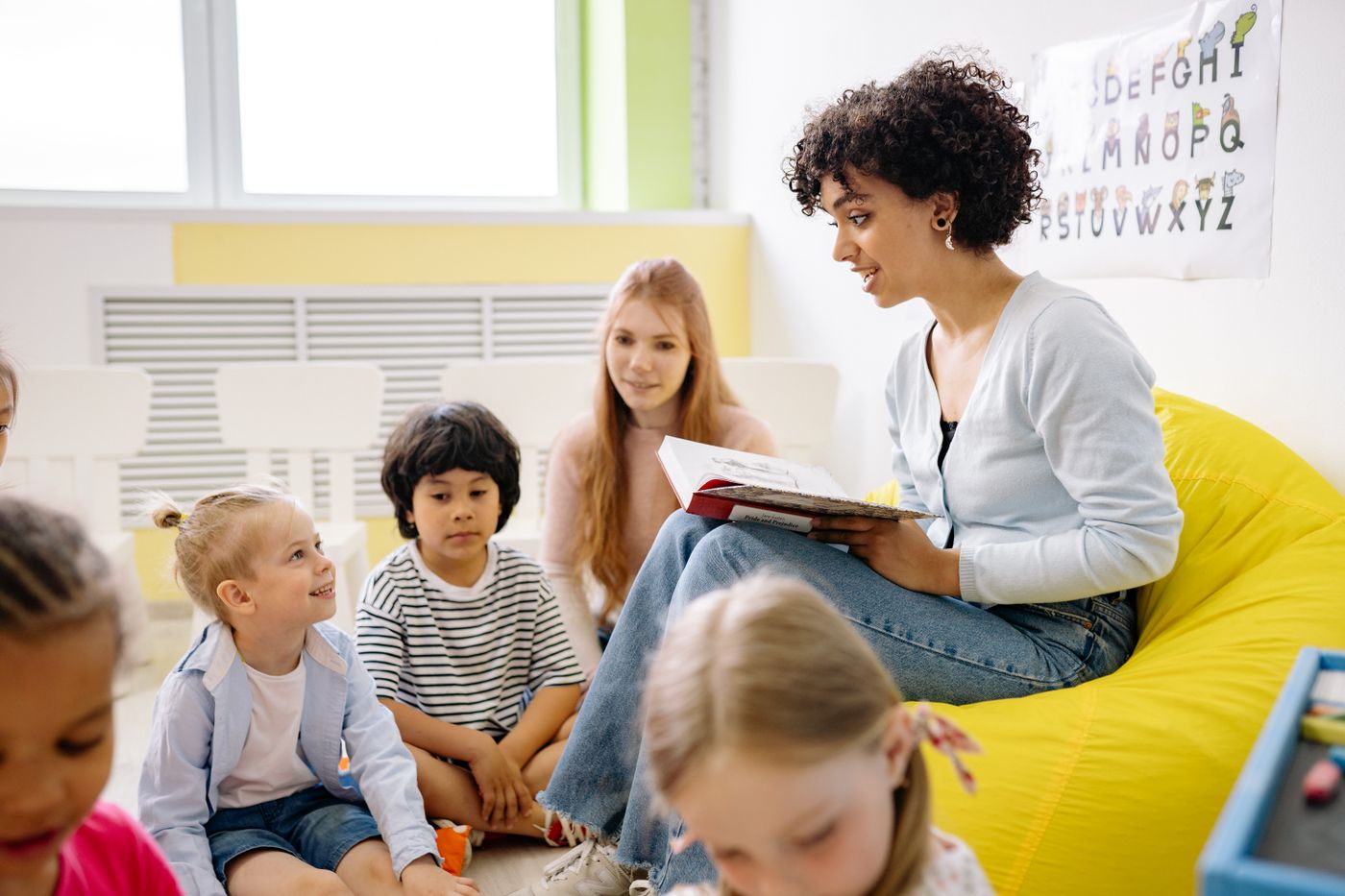
Why screen-free play matters more than ever
Screen-free activities give children the chance to use their hands, test ideas, stay immersed, and interact with the world around them. That kind of active play often leads to deeper attention, stronger imagination, and more meaningful learning moments.
Instead of passive entertainment, screen-free educational toys invite children to build, sort, experiment, pretend, create, and discover — all of which can support real development in a natural and enjoyable way.
Supports Better Focus
Hands-on toys and activities help children stay engaged longer by giving them something active, creative, and challenging to do.
Encourages Active Learning
Screen-free play helps children learn through movement, experimentation, repetition, imagination, and problem-solving.
Creates More Meaningful Play
Great screen-free toys can turn ordinary moments at home into learning experiences that feel fun, calm, and memorable.
What parents often look for in a strong screen-free collection
When shopping screen-free toys, many parents want options that feel engaging, reusable, age-appropriate, and genuinely helpful for child development.
Keeps Kids Returning to Play
The strongest screen-free toys are the ones kids want to come back to because they continue to feel rewarding, interactive, and fun.
Offers More Than One Way to Play
Great screen-free activities often leave room for imagination, experimentation, repetition, and child-led exploration.
Matches the Child’s Stage
Parents usually want toys that feel exciting and challenging without being frustrating or too advanced for their child’s age.
Feels Worth Bringing Home
Meaningful screen-free toys are often the ones that balance fun, educational value, and longer-lasting engagement.
Screen-free activities help children learn by doing
Children often build some of their most important early skills through active, hands-on experiences. That includes patience, concentration, creativity, confidence, persistence, and independent thinking.
When toys and activities encourage kids to use their hands, make decisions, test ideas, and stay involved, screen-free play becomes much more than a break from devices — it becomes a valuable part of learning and growth.
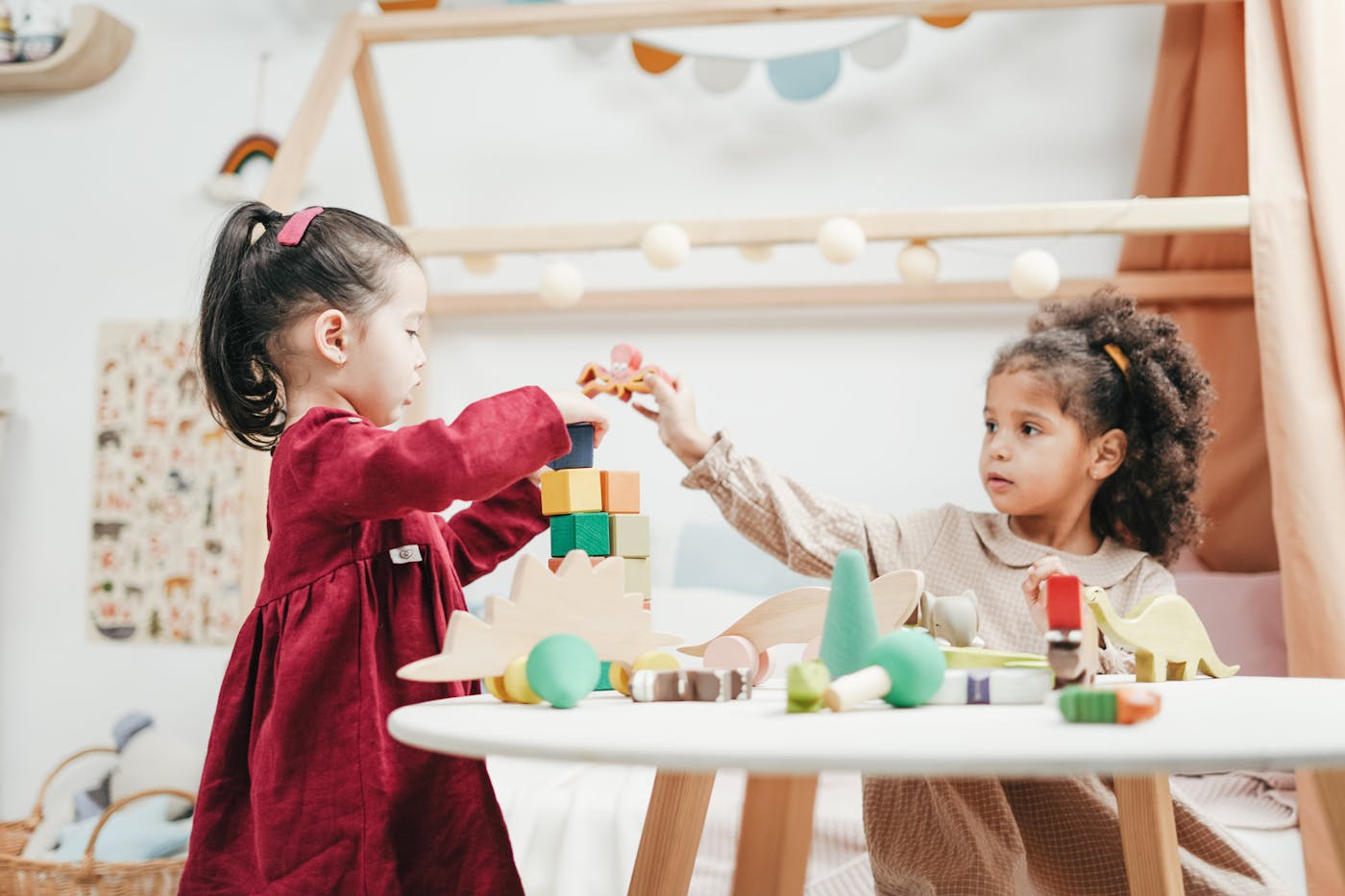
Discover screen-free toys that support creativity, focus, and meaningful play
Browse this collection and find educational toys and screen-free activities that help children stay engaged, challenged, and excited to learn through hands-on play.
Shop Screen-Free Educational ToysFREE: Get $99 worth Creative Digital Vault
Order now and get instant access to 130+ Digital Learning Books. While your item ships, your child can start learning immediately!
Explore More Educational Toy Collections
Looking for more fun and educational toys for kids? Explore our most popular collections designed to support STEM learning, creativity, language development, problem-solving, and hands-on play.