

-


5-Pack Montessori Take-Apart Dinosaur Building Toys for Kids – STEM Fine Motor Skills Set Ages 3+
Regular price $125.00Regular priceUnit price per$208.00Sale price $125.00SAVE 40% -
3D Wooden Hawk Mechanical Wall Clock Puzzle Kit
Regular price $138.00Regular priceUnit price per$278.00Sale price $138.00SAVE 50% -
100-Piece Dark Castle Magnetic Building Blocks Set
Regular price $111.00Regular priceUnit price per$208.00Sale price $111.00SAVE 47% -
48-Piece Natural Wood Montessori Math Counting Board – Early Number Learning Toy Ages 3-6
Regular price $55.00Regular priceUnit price per$111.00Sale price $55.00SAVE 50% -
374-Piece Gray Sports Car Building Block Set, Ages 10+
Regular price $97.00Regular priceUnit price per$138.00Sale price $97.00SAVE 30% -
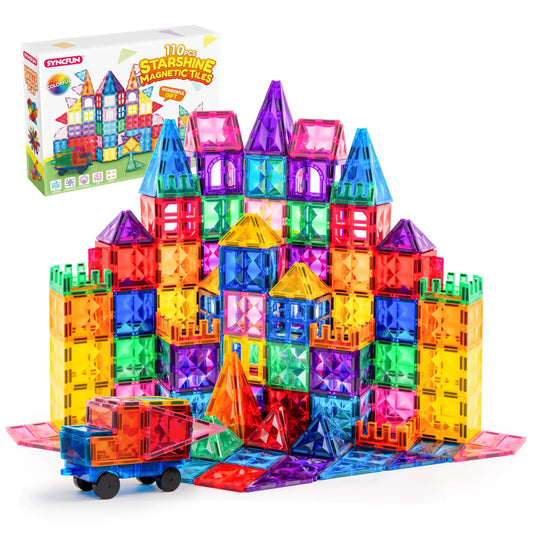
110-Piece Magnetic Tiles Building Set with Vehicle – 3D STEM Toy Ages 3+
Regular price $166.00Regular priceUnit price per$278.00Sale price $166.00SAVE 40% -
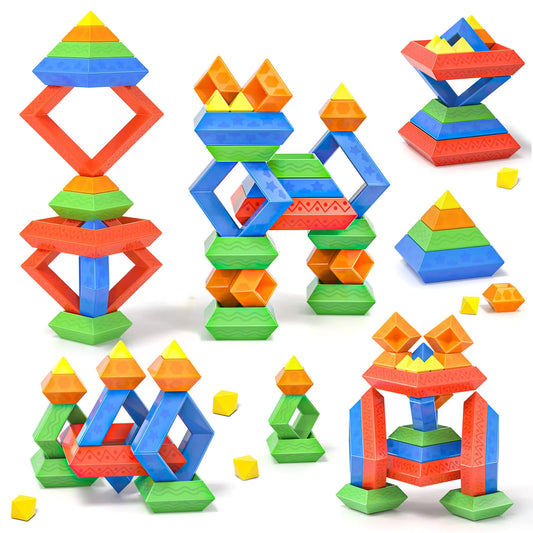
Pyramid Stacking Building Blocks – 45-Piece STEM Toddler Toy
Regular price $138.00Regular priceUnit price per$236.00Sale price $138.00SAVE 42% -
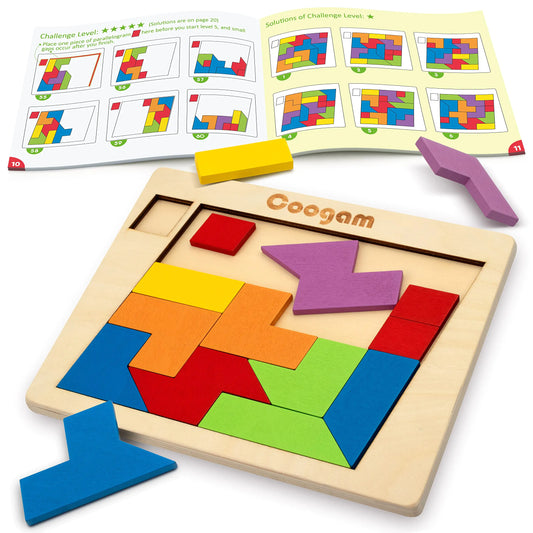
Wooden Tangram Puzzle Set for Kids – 60 Brain-Boosting Shape Challenges STEM Toy Ages 5+
Regular price $138.00Regular priceUnit price per$208.00Sale price $138.00SAVE 34% -
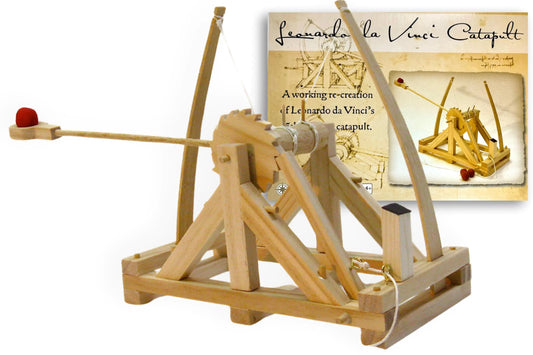
Wooden Leonardo Da Vinci Catapult STEM Trebuchet Kit
Regular price $138.00Regular priceUnit price per$222.00Sale price $138.00SAVE 38% -

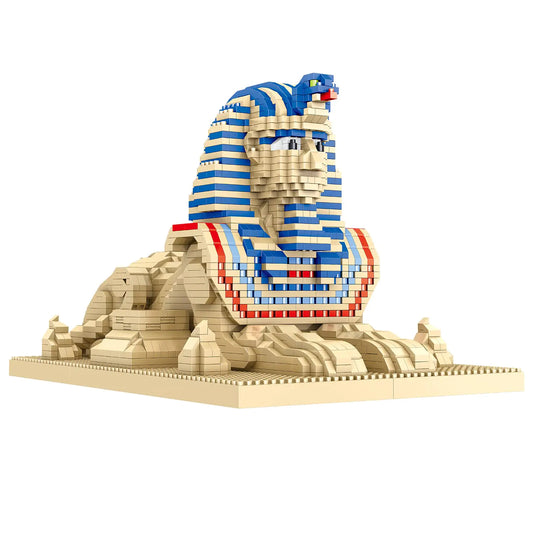
2732-Piece Great Sphinx of Egypt Micro Building Blocks Set – Advanced STEM Construction Toy
Regular price $180.00Regular priceUnit price per$320.00Sale price $180.00SAVE 44% -

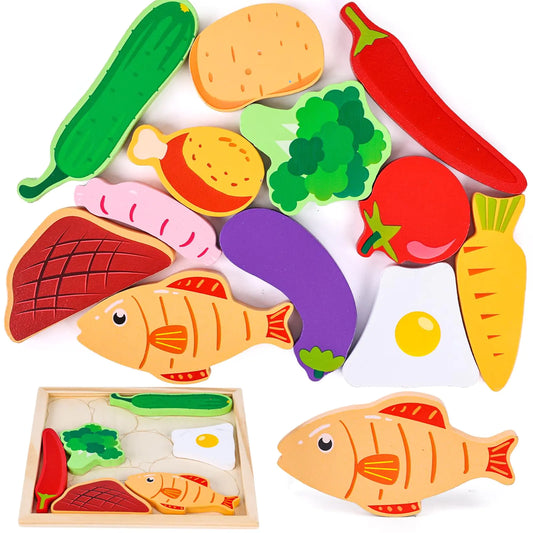
12-Piece Wooden Food Stacking Puzzle Set for Toddlers – Montessori Fine Motor Learning Toy Ages 2-4
Regular price $69.00Regular priceUnit price per$138.00Sale price $69.00SAVE 50% -
Montessori Wooden Rainbow Block Set – 24-Piece Learning Toy
Regular price $278.00Regular priceUnit price per$417.00Sale price $278.00SAVE 33% -


5-in-1 Programmable Mechanical Coding Robot Kit for Kids – Screen-Free STEM Engineering Toy Ages 8+
Regular price $208.00Regular priceUnit price per$320.00Sale price $208.00SAVE 35% -
Montessori Wooden Bead Maze Toy – Fine Motor Activity Ages 1-4
Regular price $166.00Regular priceUnit price per$278.00Sale price $166.00SAVE 40% -
Mess-Free Button Art Craft Toy Set for Toddlers – Fine Motor Skills Activity Ages 3-5
Regular price $111.00Regular priceUnit price per$180.00Sale price $111.00SAVE 38%







Develop Spatial Reasoning, Engineering Thinking, and Creative Confidence
Building and construction toys for kids transform imagination into tangible creations. When children build, they're naturally developing spatial reasoning, engineering thinking, fine motor skills, problem-solving confidence, and creative expression—all without feeling like "schoolwork." A child stacking blocks isn't memorizing facts; they're testing balance, planning structure, imagining possibilities, and learning that their ideas matter.
Our collection of building toys, construction sets, magnetic building blocks, STEM building kits, engineering toys, stacking toys, block sets, and open-ended construction materials includes options for every age and builder type—from toddlers exploring cause-and-effect with soft blocks to school-age engineers tackling complex designs.
Whether your child is discovering how shapes connect, building confidence through hands-on creation, exploring engineering concepts, developing spatial thinking, or you're looking for screen-free play that sustains engagement for hours, this collection supports meaningful building and learning. Explore related collections like engineering toys, STEM toys, problem-solving play sets, and educational toys.
Many Kids Love to Build, But Without Quality Materials, They Miss Critical Development in Spatial Thinking and Design Confidence
Children are naturally drawn to building. Watch a toddler with blocks, a preschooler with connectors, a school-age child with construction materials—they're compelled to create, test, redesign, and try again. This instinct is powerful. Yet not all building toys support genuine development. Some are overly prescriptive, limiting imagination. Others fall apart easily, discouraging persistence. Some lack the quality or variety needed to sustain extended play and learning.
Without quality building materials that encourage experimentation, children miss opportunities to develop spatial reasoning, understand how structures work, build engineering intuition, practice persistence through failure, and experience the confidence that comes from creating something real and meaningful. These aren't optional skills—they're foundational to STEM success and creative thinking.
Without Hands-On Building Play, Children Struggle With Spatial Concepts and Engineering Confidence
Research shows that strong spatial reasoning in childhood predicts later success in mathematics, engineering, architecture, and design fields. Yet many children don't get enough hands-on building experience. When building play is limited, children develop weaker spatial concepts, less engineering intuition, reduced confidence in their ability to solve structural problems, and lower STEM persistence.
These gaps compound over time. Children who don't play with construction materials struggle more with geometry, measurement, and three-dimensional thinking in school. They're less likely to pursue STEM interests because they haven't experienced the success that comes from hands-on engineering and creation. They miss opportunities to discover that they're capable builders and designers.
Building and Construction Toys Make STEM Learning Tangible, Creative, and Genuinely Engaging
Our collection of building and construction toys does one thing brilliantly: it gives children materials that reward creativity while teaching real concepts. Kids aren't studying structure—they're testing which design holds. They're not learning spatial reasoning through worksheets—they're manipulating pieces in 3D space and discovering how shapes, angles, and balance work.
From magnetic building blocks that connect effortlessly to STEM engineering kits that introduce mechanical concepts, open-ended construction materials that reward imagination, and quality block sets that build confidence through repeat play, these options support the kind of hands-on, creative learning that builds spatial thinking, engineering confidence, persistence, and genuine STEM enthusiasm.
Give Your Child Materials for Building, Imagining, and Creating
Shop building toys that develop spatial reasoning, engineering thinking, and creative confidence.
Explore Building & Construction ToysWhy Building and Construction Toys Are Powerful Tools for Development
Building toys aren't just entertainment. They're skill-builders. When children engage with quality construction materials regularly, they develop stronger spatial reasoning, better fine motor coordination, increased engineering intuition, greater persistence with challenges, and authentic confidence in their ability to create and solve problems.
Children learn how shapes relate in space, understand 3D structure, visualize from different angles, and plan multi-step construction.
Testing what works and what doesn't teaches fundamental engineering: balance, structure, load-bearing, and design iteration.
Connecting, stacking, manipulating, and arranging pieces naturally strengthens hand-eye coordination and dexterity.
Open-ended materials let children design original structures and scenes, building confidence in their creative ideas.
When designs fail, children naturally try again. This teaches that setbacks are part of learning, not failures.
Building play naturally captures sustained attention as children work toward and achieve creative goals.
Building toys teach children that their ideas matter, that they can create real things, and that problem-solving through hands-on experimentation is how progress happens—lessons they carry into STEM learning and beyond.
The Power of Open-Ended Building Play
The best building toys are open-ended. They don't require specific instructions or have one "right" way to play. A block can be a tower, a bridge, a wall, or part of an elaborate imaginary world. This flexibility is where the magic happens. Open-ended materials encourage creative thinking, reward experimentation, and let children lead their own learning.
When children control their building play—deciding what to create, how to solve structural problems, when to rebuild—they develop agency and confidence. They experience authentic problem-solving, not following predetermined steps. This is how real spatial reasoning and engineering intuition develop.
Types of Building and Construction Toys
Different building toys support different kinds of play and learning. Understanding the categories helps you choose materials that match your child's interests and developmental stage.
Blocks and Building Sets
Classic blocks, wooden blocks, foam blocks, and stacking toys that develop basic stacking, balance, and spatial awareness.
Magnetic Building Blocks
Magnetic tiles and blocks that snap together effortlessly, making complex builds accessible and encouraging faster design iteration.
Construction and Engineering Kits
Sets with rods, connectors, gears, and specialized parts that introduce mechanical concepts and engineering principles.
STEM Building Systems
Integrated building systems that combine multiple types of pieces to create diverse structures and learning experiences.
Interlocking Building Toys
Connectors, snap-together systems, and modular pieces that reward precise design and support complex construction.
Shop Building Toys by Learning Goal and Play Style
Find building and construction toys based on the skills you want to develop or the type of building your child enjoys. These mobile-friendly cards help parents navigate different building material types.
Classic Blocks and Stacking Toys
Build foundational spatial reasoning through simple stacking, balancing, and 3D exploration.
Skills built: Spatial reasoning, balance, fine motor, creativity
Explore Building Blocks →Magnetic Building Blocks
Create complex designs quickly and easily with effortless connections that reward creative iteration.
Skills built: 3D spatial reasoning, creativity, design confidence
Explore Magnetic Blocks →Engineering and STEM Kits
Learn mechanical concepts, test designs, and solve real engineering challenges.
Skills built: Engineering intuition, problem-solving, persistence
Explore Engineering Toys →STEM Building Systems
Combined building platforms that support diverse construction from simple to complex.
Skills built: Spatial reasoning, engineering, design flexibility
Explore STEM Toys →Interlocking Systems
Connectors and modular pieces that reward careful design and support intricate structures.
Skills built: Fine motor, precision thinking, complex design
Explore Problem-Solving Toys →Building and Construction Kits
Guided projects that build skills while supporting creative interpretation and design choice.
Skills built: Following design, problem-solving, hands-on learning
Explore Construction Kits →Building and Construction Toys for Every Age and Stage
The best building toys match developmental stage while offering genuine challenge. As children grow, they can handle larger structures, more complex systems, finer motor control, and deeper engineering concepts.
Building Toys for Toddlers (12-24 months)
Soft blocks, foam blocks, large stackers, cause-and-effect toys that introduce basic stacking and knocking-down play.
Building Toys for Preschoolers (2-4 years)
Blocks in various shapes, magnetic tiles, simple connectors, basic stacking toys that support growing spatial awareness and design attempts.
Building Toys for Early Elementary (4-7 years)
Larger block sets, magnetic building systems, basic engineering kits, interlocking builders that support more ambitious designs and early structural thinking.
Building Toys for School-Age Kids (7+ years)
Complex engineering kits, advanced building systems, precision connectors, design-based construction that supports sophisticated engineering projects and real mechanical learning.
How Building Toys Support STEM Success and Lifelong Learning Confidence
When children engage with quality building and construction toys regularly, measurable development happens. They develop stronger spatial reasoning that directly supports math and geometry learning, deeper engineering intuition that predicts STEM success, greater persistence with challenges, and genuine confidence in their ability to create and solve problems.
Research shows that children with strong spatial reasoning skills perform better in mathematics, are more likely to pursue STEM interests, solve problems more creatively, persist longer with challenging projects, and develop stronger growth mindset about their abilities. These aren't side benefits—they're core outcomes of regular building play.
Building Toys Teach That Failure Is Part of Problem-Solving
A tower falls. A bridge needs different support. A design doesn't work the first try. These moments are where real learning happens. Building toys create natural opportunities for children to experience that setbacks aren't failures—they're information. They learn to analyze what happened, adjust, try again, and succeed through iteration.
This is one of the most valuable lessons building toys teach: that persistence, problem-solving, and trying different approaches lead to success. This mindset transfers to every challenging situation they encounter.
How to Choose the Right Building Toys for Your Child
When selecting building and construction toys, consider your child's age, fine motor development, interests, available space, and whether they prefer open-ended play or guided projects. The best materials match the child's developmental stage while offering genuine challenge.
Also choose by complexity. Young builders benefit from simple stacking; older builders thrive with systems that support intricate design. Look for durability—quality building toys last for years and often get passed to younger siblings. Choose materials that will sustain engagement through repeat play and growing skills.
Most importantly, choose materials your child will actually want to play with. Engagement matters. A toy that seems perfect but never gets played isn't serving its purpose. Trust your child's interests as a guide.
Building Toys Make Thoughtful, Long-Lasting Gifts
If you're shopping for birthdays, holidays, or special occasions, building and construction toys are gifts that support genuine development while providing lasting enjoyment. Unlike toys that age out quickly, quality building materials remain engaging as children's skills and imagination develop.
Building toys are especially valuable for children who love creation, enjoy hands-on learning, benefit from open-ended play, show early STEM interest, or need screen-free alternatives. They're gifts that pay dividends year after year through skill development, creative engagement, and sustained play value.
Why Parents Choose WonderKidsToy for Building and Construction Toys
At WonderKidsToy, we believe building and construction toys should do more than entertain. They should develop spatial reasoning, encourage creative expression, build engineering intuition, and foster genuine confidence in children's ability to create and solve problems. That's why this collection includes carefully curated building materials that combine quality, engagement, and real developmental value.
- Thoughtfully selected building toys for every age and interest
- Options that balance structure with creative freedom
- Materials designed to develop spatial reasoning and engineering thinking
- Collections that sustain engagement through years of play
- Tools for hands-on learning, creative expression, and STEM confidence building
Explore More Building and STEM Collections
Parents who value building toys often explore these complementary collections:
- Engineering Toys
- STEM Toys
- Sustainable Building Blocks
- Problem-Solving Play Sets
- Educational Toys
- Educational Toys for 3 Year Olds
Give Your Child the Gift of Building, Designing, and Creating
Shop building and construction toys that develop spatial reasoning and engineering confidence through hands-on play.
Shop Building ToysFrequently Asked Questions About Building and Construction Toys
1. What are building and construction toys?
Toys with pieces that connect, stack, or interlock to create structures, designs, and imaginative buildings.
2. Are building toys good for kids?
Yes. They develop spatial reasoning, fine motor skills, creative thinking, engineering intuition, and problem-solving.
3. What age should kids start building?
Very young—toddlers benefit from soft blocks and stacking; more complex building develops with age.
4. Do construction toys help with STEM?
Yes. Building toys naturally teach engineering, physics, spatial reasoning, and problem-solving concepts.
5. What are magnetic building blocks?
Tiles or blocks with built-in magnets that snap together, making complex 3D building quick and easy.
6. Are building toys good for fine motor skills?
Yes. Connecting, stacking, and manipulating pieces naturally strengthens hand-eye coordination.
7. Do construction toys develop spatial reasoning?
Yes. Building in 3D naturally develops understanding of how shapes relate in space.
8. Are building toys good for focus?
Yes. Building play naturally captures sustained attention as children work toward creative goals.
9. Can building toys help with problem-solving?
Yes. Testing designs, troubleshooting failures, and trying different approaches naturally develops problem-solving.
10. Do building toys encourage creativity?
Yes. Open-ended building materials let children design original structures limited only by imagination.
11. Are building toys good for boys and girls?
Yes. Building interest and ability aren't gender-based; all children benefit from construction play.
12. Do building toys teach engineering?
Yes. Testing structures, understanding balance, and solving building challenges teaches real engineering concepts.
13. Are construction toys good gifts?
Yes. They're thoughtful gifts that support creativity, learning, and sustained play engagement.
14. Can different types of building toys be combined?
Yes. Many building systems are compatible, allowing children to mix and expand their building possibilities.
15. Are wooden blocks good building toys?
Yes. Quality wooden blocks are classic building materials that develop spatial reasoning and are durable for years.
16. How long do kids play with building toys?
Quality building toys sustain interest for years as children's skills and creativity expand.
17. Do building toys help with confidence?
Yes. Successfully creating structures builds genuine confidence in children's creative ability.
18. Are building toys good for homeschool?
Yes. They make STEM learning hands-on and can support lessons in engineering, geometry, and physics.
19. Can building toys help with science learning?
Yes. Building activities teach force, balance, structure, and cause-and-effect naturally.
20. Do building toys support quiet play?
Yes. Many building activities are peaceful, focused play that doesn't require overstimulation.
21. Are construction kits different from building blocks?
Yes. Kits often come with specific pieces and sometimes instructions; blocks are more open-ended.
22. How do I choose between different building systems?
Consider your child's age, interests, fine motor development, and whether they prefer open-ended or guided play.
23. Are building toys safe for young children?
Yes, when age-appropriate. Choose toys sized appropriately for age to avoid choking hazards.
24. Can building toys help with math?
Yes. Geometry, spatial reasoning, patterns, and measurement concepts emerge naturally through building.
25. Are foam blocks good building toys?
Yes. Soft foam blocks are ideal for toddlers and are safe for learning stacking and balance.
26. Do building toys develop collaboration skills?
Yes. Building together naturally encourages communication, planning, and teamwork.
27. What's the benefit of open-ended building toys?
Open-ended toys encourage creative thinking, reward experimentation, and let children lead their own learning.
28. Are sustainable building blocks good for the environment?
Yes. Eco-friendly building materials support learning while being better for the planet.
29. How do building toys teach persistence?
When designs fail or structures fall, children naturally try again—learning that persistence leads to success.
30. What's the biggest benefit of building toys for kids?
They prove to children that they can create real things, solve problems through hands-on experimentation, and develop genuine engineering and creative confidence that lasts.
Give Your Child Materials for Building, Imagining, and Creating
Quality building and construction toys are investments in spatial reasoning, engineering thinking, creative expression, and problem-solving confidence. When children have materials that reward imagination and support hands-on learning, they develop skills and enthusiasm that shape their entire educational journey.
Shop building and construction toys that inspire creation, support engineering thinking, and build the spatial reasoning that matters for STEM success and lifelong learning.
More Collections
- Best Arts and Crafts for Kids
- Best Board Games for Kids
- Best Developmental Toys for Babies and Toddlers
- Best Educational Toys for 3 Year Olds
- Best Geography Toys for Kids
- Best Global Learning Toys for Kids
- Best Language Learning Toys for Kids and Toddlers
- Best Learning Toys for Kids
- Best Math and Counting Toys for Kids
FREE: Get $99 worth Creative Digital Vault
Order now and get instant access to 130+ Digital Learning Books. While your item ships, your child can start learning immediately!
Explore Screen Free Toys
Looking for more fun and educational toys for kids? Explore our most popular collections designed to support STEM learning, creativity, language development, problem-solving, and hands-on play.