


Every parent wants toys that do more than entertain. The best toys help children think, build, explore, and grow through meaningful play. That is why so many families compare STEM toys and Montessori toys when choosing the right learning tools for their child. Both styles support child development, but they do it in different ways.
STEM toys often focus on science, technology, engineering, and math through problem-solving, building, experimentation, and innovation. Montessori toys focus more on self-directed discovery, hands-on exploration, practical life skills, and sensory learning. Both can be powerful. The real question is which approach best matches your child’s learning style, personality, and stage of development.

If you are trying to decide between STEM toys and Montessori educational toys, this guide will help you understand the differences, strengths, and best use cases for each. You can also explore related collections like educational toys, building and construction toys, problem-solving play sets, sensory learning toys, and engineering toys to build a well-rounded playroom at home.
Many Parents Want Educational Toys but Feel Confused by Too Many Choices
Choosing learning toys sounds simple at first, but it quickly becomes overwhelming. Parents want toys that are fun, educational, age-appropriate, and worth the money. Then they see terms like STEM, Montessori, sensory, open-ended, coding, practical life, and problem-solving, and it becomes harder to know what truly fits their child.
This confusion often leads to buying toys that look impressive but do not really match how the child learns best. Some children thrive with guided building and engineering challenges. Others do better with quieter, self-directed, hands-on materials that allow them to explore at their own pace.
The Wrong Toy Style Can Reduce Engagement and Miss Your Child’s Natural Learning Strengths
Children learn differently. One child may love structured problem-solving and building systems. Another may prefer sensory materials, simple wooden toys, and independent exploration. When toys do not match a child’s learning style, they often lose interest quickly or use the toy in only a limited way.
That does not mean the toy is bad. It usually means the fit is not quite right. Parents often feel frustrated when they buy a toy with strong educational value but their child barely uses it. Understanding the difference between STEM and Montessori can help avoid that mistake and make playtime far more meaningful.
STEM and Montessori Toys Both Support Learning, but in Different Ways
STEM and Montessori toys are both excellent choices when used intentionally. STEM toys are often best for children who enjoy building, experimenting, solving challenges, and discovering how things work. Montessori toys are often best for children who benefit from calm, hands-on exploration, repetition, independence, and real-world skill building.
The good news is that parents do not always need to choose only one approach. Many families create the strongest learning environment by blending both. A child may use STEM toys for innovation and critical thinking while also using Montessori educational toys for focus, self-direction, and sensory learning.
Looking for toys that match how your child really learns?
Explore hands-on educational toys that build creativity, focus, independence, and real problem-solving through play.
Understanding STEM Learning Toys
STEM learning toys are designed to introduce children to science, technology, engineering, and mathematics through hands-on play. Instead of only memorizing concepts, children get to build, test, experiment, and solve problems in a practical way. This makes learning feel active and exciting.

What Is STEM Education?
STEM education combines science, technology, engineering, and math into playful problem-solving experiences. Children may build a structure, code a robot, create a simple machine, test gravity, or solve a mechanical challenge. These activities build logical thinking and encourage children to see mistakes as part of learning.
Popular Types of STEM Toys
Some of the most popular STEM toys include robotics kits, magnetic building sets, engineering construction toys, science experiment kits, coding games, and marble runs. Families often explore collections like coding and programming toys, coding and robotics toys, science kits and experiments, and engineering toys.
How STEM Toys Build Critical Thinking
STEM toys are excellent for helping children think through challenges. When a child builds a bridge that falls or a robot that does not move correctly, they learn to adjust, test again, and improve their design. This helps build resilience, reasoning, and confidence.
Understanding Montessori Educational Toys
Montessori toys are designed to support self-directed learning through hands-on exploration. These toys are usually simple, purposeful, and open enough to let children explore without too much distraction. Montessori play often emphasizes independence, concentration, coordination, and real-world skill building.
Montessori play is not about flashy features. It is about giving children meaningful materials they can understand and master on their own.

Promoting Independence and Self-Discovery
Many Montessori materials are self-correcting, which means children can see when something does not work and try again without needing constant adult instruction. This builds patience, confidence, and a sense of ownership over learning.
Hands-On Learning with Montessori Materials
Montessori toys often include wooden sorters, stacking toys, practical life tools, sensory materials, counting toys, and fine motor activities. These types of toys fit well with collections like sensory learning toys, early development toys, and mathematics and counting toys.
Encouraging Social and Emotional Growth
Montessori-inspired toys can also support social skills through sharing, turn-taking, cooperation, and everyday routines. Practical play and simple cooperative activities help children develop calm confidence and empathy.
Key Differences Between STEM and Montessori Toys
The biggest difference between STEM and Montessori toys is how they guide learning. STEM toys often lead children toward a challenge, project, or solution. Montessori toys are often more open and child-led, allowing children to explore materials freely and learn through repetition.

Problem-Solving Style
STEM toys usually present a more direct challenge. A child may build a robot, solve a coding sequence, or create a structure that works. Montessori toys often encourage children to explore at their own pace without one fixed outcome.
Curriculum vs Child-Led Focus
STEM play is often more goal-oriented and skill-specific. Montessori play is usually more focused on the child’s pace, concentration, and natural curiosity. Both are valuable, but they feel different in practice.
Skills Developed
STEM toys often build logic, innovation, and engineering-style thinking. Montessori toys often build independence, fine motor control, attention, and self-confidence. When used together, they can complement each other beautifully.
Quick Guide: STEM Toys vs Montessori Toys
This comparison table can help parents decide which style of educational toy may fit their child best.
How to Choose the Right Educational Toy for Your Child’s Learning Style
The best educational toy is not always the most advanced one. It is the one that matches how your child naturally likes to learn.
Start with Your Child’s Interests
If your child loves building, testing, and solving, STEM toys may feel especially exciting. If your child enjoys sorting, stacking, sensory exploration, and practical tasks, Montessori toys may feel more natural.

Choose Age-Appropriate Toys
Age fit matters a lot. Younger children often do best with simple, hands-on toys that build confidence. Older children may be ready for more advanced STEM challenges or practical learning tools that keep them engaged longer.
Mix and Match When It Helps
You do not need to pick only one style. Many families use both. A child might enjoy robotics kits for kids one day and quiet sensory learning toys the next. Mixing approaches often creates the most balanced playroom.
Best STEM Toys to Buy Online
Parents looking for STEM options usually want toys that encourage building, coding, engineering, experimentation, and hands-on problem-solving. Strong options often include robotics kits, magnetic tiles, engineering sets, science kits, and coding games.

Robotics and Coding Kits
These are ideal for children who enjoy technology, logic, and interactive building. Families often start with robotics kits for kids or coding and programming toys.
Science and Experiment Toys
Hands-on science play can be especially exciting for curious children. Collections like science kits and experiments and science and nature toys are great for that.
Engineering and Construction Toys
If your child loves creating structures and testing designs, explore engineering toys and building and construction toys.
Best Montessori Toys to Buy Online
Montessori-style toys are often made from simple, durable materials and are designed to help children build concentration, coordination, and independence. They work especially well for calm, focused, hands-on learning.

Classic Wooden Toys
Wooden stackers, sorters, counting tools, and shape puzzles remain some of the best Montessori-inspired options because they are timeless and easy for children to understand.
Practical Life Toys
Toys that let children pour, sort, spoon, stack, or organize can help them feel capable and independent. These support real-life coordination and self-confidence.
Sensory and Fine Motor Toys
Collections like Montessori educational toys, sensory learning toys, and early development toys are excellent places to explore.
The Parent’s Role in Choosing Educational Toys
Parents know their children better than anyone else. That matters when choosing educational toys. The best toy is often not the most expensive one or the most popular one. It is the one that fits your child’s stage, interests, and natural way of learning.

Understand Developmental Stage
A toy should feel engaging, not too easy and not too frustrating. Matching toys to your child’s current abilities often leads to stronger interest and better learning.
Involve Your Child When You Can
Letting children explore options and show what interests them can help you make better choices. Children often reveal their learning style through what they naturally pick up first.
Create a Calm, Flexible Play Space
A well-organized play space helps educational toys work better. Open shelves, rotated toys, and accessible materials make it easier for children to explore independently.
How to Make Learning Fun with Educational Toys
Children learn best when play feels joyful and natural. The goal is not to force lessons into every moment. It is to choose toys that make learning happen while children are enjoying themselves.

Combine Play with Discovery
A coding toy can feel like a game. A stacking toy can become early math. A science kit can feel like an adventure. When children are emotionally engaged, they often retain more.
Balance Structured and Free Play
Some children benefit from step-by-step challenges, while others do best with open-ended exploration. A balance of both usually works best over time.
Tips for Maintaining Educational Toys
Educational toys often last longer and work better when they are cared for well. Proper care also helps keep them safe and inviting for repeated play.

Clean Wooden Toys Gently
Use a damp cloth and mild soap when needed. Avoid soaking wooden toys so they stay in good shape.
Check Safety Regularly
Inspect toys for loose parts, cracks, or wear. This is especially important for younger children’s materials.
Rotate Toys to Keep Interest Fresh
Rotating toys every few weeks can make old favorites feel new again and help children stay more engaged without constant new purchases.
Online Shopping Tips for Educational Toys
Shopping online for educational toys can save time, but it helps to look carefully at quality, reviews, and age fit before buying.

Read Reviews for Long-Term Use
Try to find comments about durability, replay value, and how long children stayed interested.
Compare Value, Not Just Price
The cheapest toy is not always the best deal. A toy with strong replay value can often be worth more over time.
Use Trusted Educational Collections
Shopping within strong categories like educational toys, STEM toys, and Montessori educational toys can make decision-making easier.
Current Trends in Educational Toys
Educational toys continue to evolve as families look for more meaningful and practical learning tools. Many parents now want toys that support creativity, emotional growth, sustainability, and real-world skills.

Technology-Driven Learning
Coding toys, robotics, and interactive STEM kits remain strong choices for families who want future-ready skill building.
Eco-Friendly Materials
Wooden toys, sustainable materials, and long-lasting open-ended toys continue to grow in popularity.
Social and Emotional Learning
Toys that encourage empathy, teamwork, and communication are also becoming more important in family buying decisions.
How to Assess Learning Outcomes from Educational Toys
Parents often wonder whether a toy is really helping. The best way to assess learning is to look for changes in how your child plays and thinks over time.

Look for Stronger Focus
If your child sticks with an activity longer, that is often a good sign.
Notice Better Problem-Solving
When children try new strategies instead of giving up quickly, they are learning.
Watch for More Confidence
A child who says “I did it” or wants to try again is often getting real value from the toy.
Educational Toy Subscription Services
Educational toy subscriptions can be a convenient way to introduce new ideas regularly without researching new products every time. They are often curated by age and learning stage, which many families find helpful.

Benefits
They add variety, save time, and often match developmental stages well.
How to Choose One
Look for subscriptions that match your child’s age, learning style, and interest level rather than just broad popularity.
The Future of Online Educational Toys
Educational toys are continuing to grow in exciting ways. Technology, sustainability, and more personalized learning are shaping what parents see online. At the same time, simple hands-on play remains just as important as ever.
Technology Will Keep Expanding
Interactive coding, robotics, and adaptive learning toys will likely continue growing.
Hands-On Learning Will Still Matter
Even as educational technology grows, physical play, building, sorting, and exploration will remain essential for healthy childhood development.
The future of learning toys is not only smarter. It is also more thoughtful, more balanced, and more focused on how children truly learn best.
Conclusion: Finding the Right Fit for Your Child
STEM and Montessori toys both offer real educational value. STEM toys are excellent for building logic, engineering thinking, creativity, and innovation through challenge-based play. Montessori toys are excellent for building independence, focus, sensory exploration, and self-confidence through calm, hands-on learning.
The best choice depends on your child. Some children will clearly prefer one style. Others will benefit most from a combination of both. There is no single perfect answer for every family, but there is often a perfect fit for each child.
When you choose toys that align with your child’s interests and developmental stage, play becomes more meaningful. That is where real learning begins.
Ready to build a smarter, more engaging playroom?
Explore STEM, Montessori, sensory, and educational toys designed to help your child learn in the way that suits them best.
Frequently Asked Questions About STEM and Montessori Toys
1. What is the difference between STEM toys and Montessori toys?
STEM toys focus more on science, engineering, technology, and problem-solving, while Montessori toys focus more on independence, sensory learning, and self-directed exploration.
2. Are STEM toys better than Montessori toys?
Neither is automatically better. The best choice depends on your child’s interests, age, and learning style.
3. What are STEM toys?
STEM toys are educational toys that help children explore science, technology, engineering, and math through hands-on play.
4. What are Montessori toys?
Montessori toys are simple, hands-on learning materials designed to support independent exploration, focus, and practical skill development.
5. Are Montessori toys educational?
Yes, Montessori toys are highly educational because they help children learn through self-directed, hands-on experiences.
6. Are STEM toys educational?
Yes, STEM toys are educational because they build problem-solving, logic, engineering, and innovation skills through active play.
7. Which toys are better for problem-solving?
STEM toys often focus more directly on structured problem-solving, though many Montessori toys also support it in a calmer, more open-ended way.
8. Which toys are better for independent learning?
Montessori toys are especially strong for independent learning because they encourage self-directed exploration and repetition.
9. Can I use both STEM and Montessori toys together?
Yes, many families use both together to create a more balanced learning environment.
10. What age are STEM toys best for?
STEM toys can work across many ages, but it is important to choose options that match your child’s stage and ability.
11. What age are Montessori toys best for?
Montessori toys are especially popular in the early years, but many can remain useful well beyond toddlerhood and preschool.
12. Are wooden toys Montessori?
Many Montessori toys are wooden, but not every wooden toy is Montessori by design.
13. Do STEM toys help with creativity?
Yes, many STEM toys help with creativity by encouraging children to design, build, test, and improve their ideas.
14. Do Montessori toys help with creativity?
Yes, Montessori toys support creativity through open-ended exploration and independent discovery.
15. Are robotics kits STEM toys?
Yes, robotics kits are one of the most popular types of STEM toys.
16. Are sensory toys Montessori?
Many sensory toys align well with Montessori principles because they support hands-on exploration and sensory learning.
17. What toys are best for toddlers?
For toddlers, simple Montessori-style toys, sensory toys, and age-appropriate early learning toys often work especially well.
18. What toys are best for school-age kids?
School-age kids often benefit from a blend of STEM toys, problem-solving toys, construction sets, and creative open-ended materials.
19. Are STEM toys good for girls and boys?
Yes, STEM toys are valuable for all children, regardless of gender.
20. Are Montessori toys good for girls and boys?
Yes, Montessori toys are helpful for all children because they support universal developmental skills.
21. What toys help build concentration?
Montessori toys, puzzles, sensory materials, and simple practical life toys can all help build concentration.
22. What toys help build engineering skills?
Engineering sets, robotics kits, construction toys, and hands-on STEM toys help build engineering skills.
23. Are Montessori toys screen-free?
Most Montessori toys are screen-free and focus on physical interaction with real materials.
24. Are STEM toys always electronic?
No, many STEM toys are non-electronic and focus on building, mechanics, science, and hands-on experiments.
25. How do I know which style my child prefers?
Watch how your child naturally plays. Some children love building and challenge-based play, while others prefer calm, open-ended exploration.
26. Is it okay to rotate between toy styles?
Yes, rotating between different types of toys can keep play fresh and support a wider range of skills.
27. Can educational toys help with school readiness?
Yes, both STEM and Montessori toys can support school readiness by building focus, reasoning, independence, and fine motor skills.
28. Are educational toys worth buying?
They often are, especially when they offer replay value and support meaningful skill development through play.
29. Where can I find good STEM and Montessori toys online?
You can explore strong options in the WonderKidsToy STEM Toys and Montessori Educational Toys collections.
30. What is the biggest benefit of using both STEM and Montessori toys?
The biggest benefit is balance. Children can build both logical problem-solving and independent, hands-on confidence at the same time.
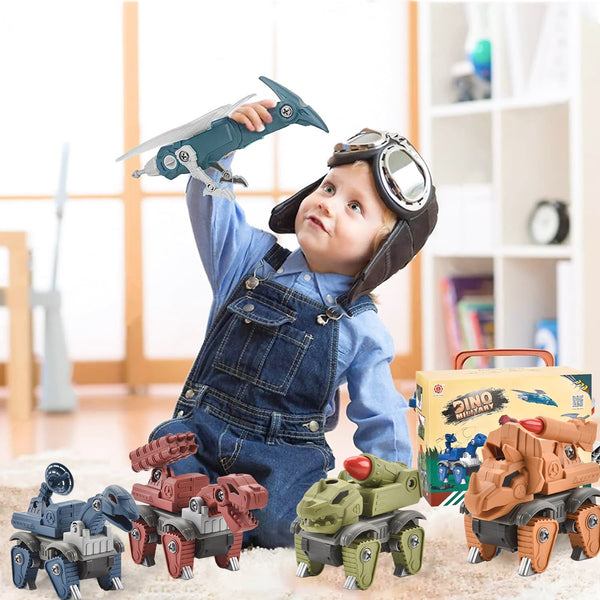


Social Skills Development Through Educational Toys
Educational toys can also support communication, teamwork, and emotional growth. Group building projects, pretend play, music, and cooperative tasks all help children practice social skills in a natural way.
Communication
Children learn to explain ideas, ask for help, and listen to others during play.
Teamwork
Construction sets, simple science projects, and cooperative games help children work together toward a shared goal.
Conflict Resolution
Play also creates chances to practice turn-taking, patience, and problem-solving with others.