
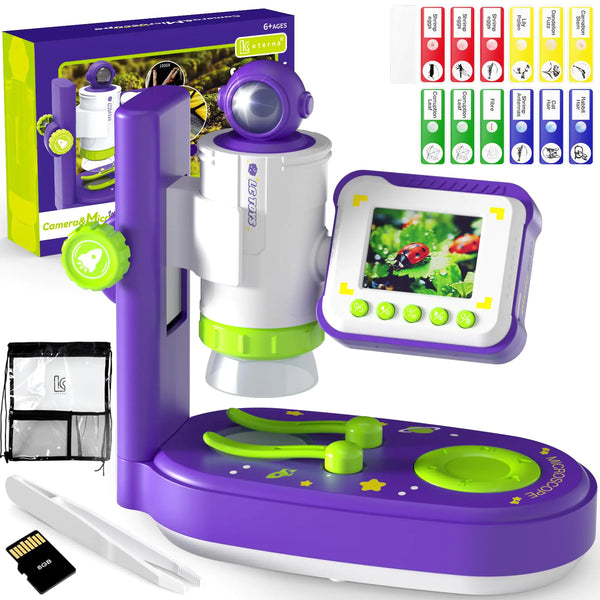
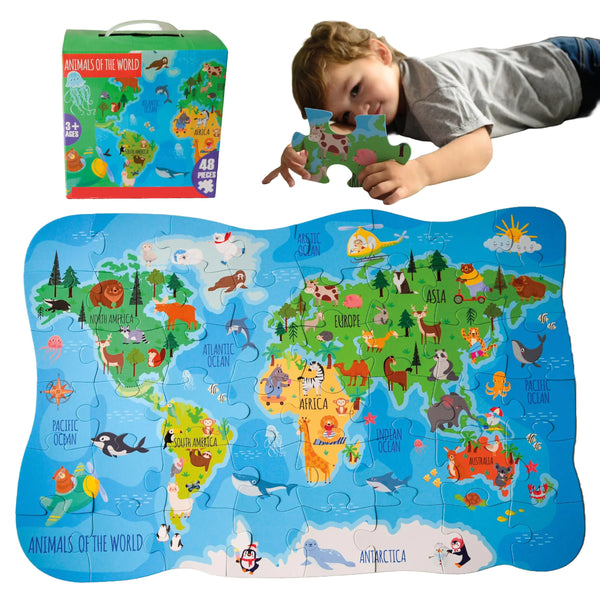

Science kits are the perfect hands-on experience for learning about and discovering the world around us. These thematic kits combine learning with play, helping kids understand difficult subjects like chemistry, physics, and biology in a way that books simply cannot match.
Whether you’re building a volcano model or experimenting with circuits, these tools turn complex, abstract concepts into real-world lessons. In this guide, we explore how to use Active Discovery to transform your home into a laboratory of innovation and critical thinking.
Featured Tools for Future Scientists
Table of Contents
Passive Consumption vs. Hands-On Inquiry
In a world filled with digital simulations, it is easy for children to view science as something that only happens on a screen. While educational videos are informative, they offer "one-way" entertainment. This lack of physical engagement prevents the development of executive function and spatial reasoning. When a child only watches, the brain misses out on essential feedback loops.
Science kits solve this by requiring the child to lead the action. Without physical resistance—like measuring a chemical or connecting a wire—children miss out on forming vital neural pathways. This is why parents seek expert insights on choosing science kits that prioritize active troubleshooting.
Why Sensory Logic Builds Better Scientists
Early childhood is a unique window for sensory brain mapping. By using STEM toys, toddlers and students practice logical sequencing and manual precision. They aren't just following instructions; they are troubleshooting physical variables. Research on cognitive skill development proves that children need this "tactile resistance" to build the grit and persistence required for high-level academic success.
Types of Science Kits: Tailoring the Discovery
Effective kits align with a child's natural developmental stage, turning "Why?" into "Aha!":
- Chemistry & Physics Kits: Explore chemical reactions and principles of motion. Perfect for understanding cause and effect.
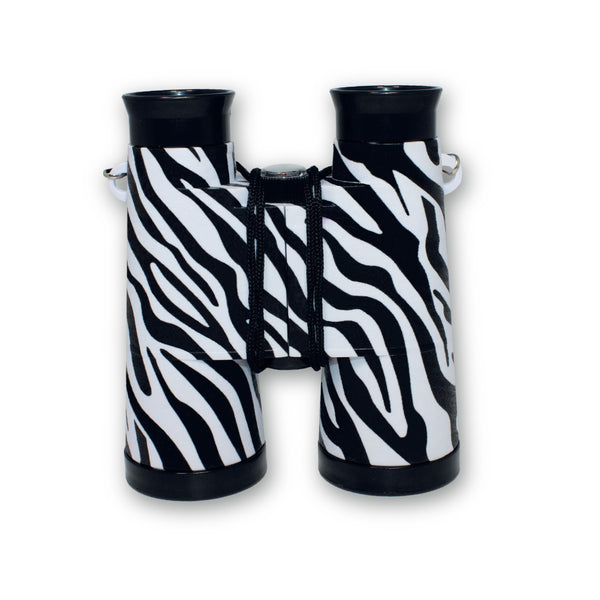
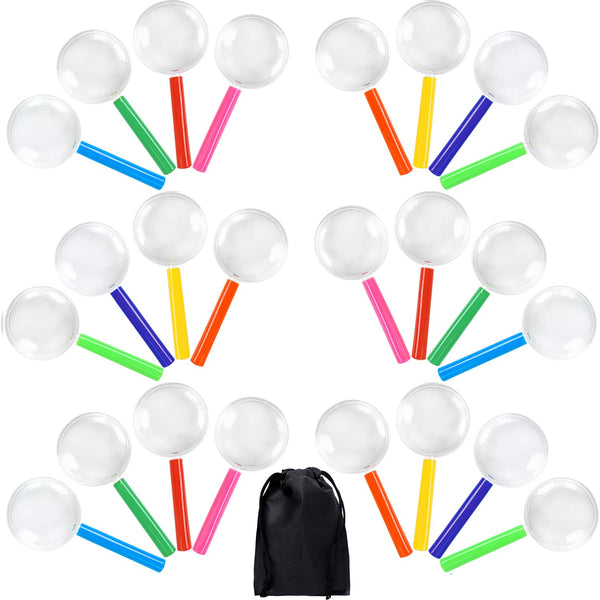
- Nature & Biology Kits: Move the classroom outside with magnifying glasses and rock hammers to build visual discrimination.
- Robotics & Coding Kits: Bridge the gap between digital logic and mechanical function. This is a core part of the computational thinking approach.
Ready to Move From Passive to Active Learning?
Discover expert-vetted toys that turn your child into an innovator rather than a consumer.
Shop All Educational ToysExpert Tips for Effective Discovery
- Follow Instructions to Build Foundation: Treat blueprints as the starting point for safe, engaging results.
- Encourage Divergent Thinking: Once the experiment is complete, ask: "What happens if we change one variable?" This builds high-level problem-solving.
- Create a Themed Science Night: Ground learning in family connection to build a positive association with STEM fields.
Frequently Asked Questions
At what age can kids start using science kits?
Kits are available for every age, starting with simple sensory-based discovery for toddlers (age 3+) and moving to advanced molecular logic for teens.
Are these kits safe for home use?
Yes, high-quality kits include safety gear like goggles and gloves, and use non-toxic agents. However, adult supervision is always recommended to model professional habits.
Can science kits really help with school performance?
Absolutely. By providing a physical context for abstract classroom lessons, children build the conceptual framework needed to excel in formal testing.
Final Thoughts: Nurturing a Lifetime of Awareness
Selecting intentional play materials is an investment in your child’s cognitive potential. By choosing tools that encourage rhythm, logic, and physical mastery, you are setting the stage for a lifetime of innovative thinking.
Every pieces snapped and reaction observed is a building block for a bright future. Ready to build a better discovery box? Explore our specialized Montessori educational toys today and start the journey toward purposeful play.