

Best STEM Robotics Kits for Teenagers: 2026 Buying Guide
Teen STEM Guide • Robotics • Engineering
STEM Robotics Kits That Build Real Teen Engineering Confidence
STEM robotics kits give teenagers a practical way to connect building, coding, sensors, movement, design, and problem-solving. A strong kit lets a teen assemble a physical system, test how it behaves, adjust the design, and improve the instructions that control it.
This guide compares the best STEM robotics kits for teenagers by experience level, coding depth, build difficulty, sensor value, engineering challenge, instructions, and long-term project potential.
Explore hands-on robotics learning
Browse robot kits that support coding, engineering thinking, project confidence, and creative problem-solving.
Shop Robotics KitsQuick Answer: What STEM Robotics Kit Is Best for a Teenager?
The best STEM robotics kit for a teenager combines guided building, programmable movement, motors, sensors, and room for experimentation after the first project. Beginners need clear steps and visible early results. More experienced teens may prefer deeper coding, multiple build options, data or sensor projects, and open-ended engineering challenges.
Table of Contents
Why Robotics Makes STEM More Understandable
Robotics connects several ideas in one visible project. Code changes how a robot moves. A sensor changes how it responds. The structure affects stability. A motor affects speed and control. When something does not work as expected, the teen can test one change at a time and see the result.
That feedback makes abstract concepts easier to understand and gives learners a reason to keep improving. Robotics can also provide a practical bridge between coding, engineering, and broader STEM learning.
Skills Teens Build Through Robotics
Commands, loops, conditions, sequencing, and debugging become visible through robot behavior.
Teens see how design choices affect movement, balance, stability, and performance.
Testing one variable at a time helps learners diagnose problems more carefully.
Multi-step builds encourage preparation, organization, and attention to sequence.
Rebuilding and debugging show that mistakes are part of the design process.
Open-ended projects let teens experiment with their own ideas after guided work.
Best Types of STEM Robotics Kits for Teenagers
Guided build-and-code kits
Best for beginners who need structured projects, clear instructions, and visible early success.
Sensor-based robots
Introduce obstacle detection, line following, light or distance responses, and basic automation.
Programmable robotics platforms
Better for teens ready to explore more coding depth, debugging, and custom behavior.
Mechanical engineering robots
Emphasize gears, motors, structure, movement, and the relationship between design and performance.
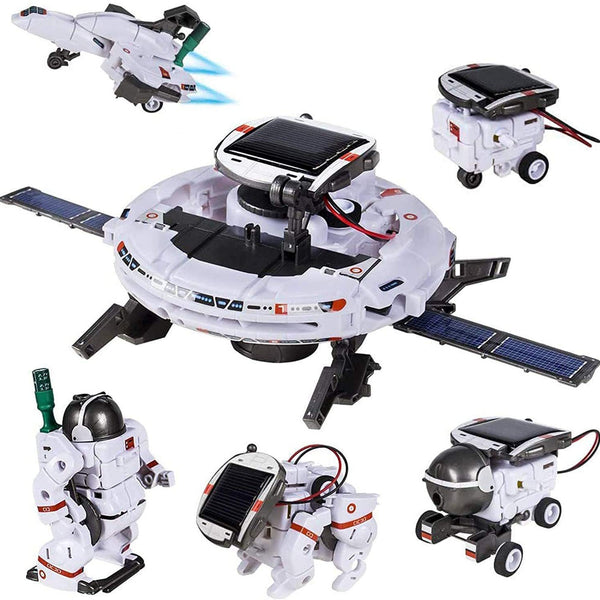
Multi-build robotics sets
Offer stronger replay value because components can support several designs and challenges.
Open-ended project kits
Best for experienced teens who want room to customize and create beyond the manual.
Choose a Robotics Kit by Experience Level
Beginner teens
Start with labeled parts, guided assembly, simple programming activities, and a robot that produces visible results quickly. The first projects should build confidence rather than introduce too many concepts at once.
Teens with some coding or building experience
Look for sensors, motors, multiple missions, deeper block coding, text-based coding options, or several build configurations.
Advanced teen makers
Choose platforms with expandable components, open-ended challenges, custom programming, and enough flexibility to support original project ideas.
Features Parents Should Compare
Clear instructions: Diagrams, labeled parts, troubleshooting help, and progressive projects make independent learning easier.


Coding progression: The kit should start at an accessible level and offer harder challenges as confidence grows.
Sensors and motors: These make the robot responsive and connect code with real movement.
Build variety: Multiple builds or missions generally provide stronger long-term value.
Required devices: Check whether the kit needs a phone, tablet, computer, app, account, batteries, or additional tools.
Upgrade path: Expandable systems can remain useful as the teen’s skills improve.
Quick Robotics Kit Comparison
Guided kits
Best for: beginners
Main value: confidence and clear progression
Coding-focused kits
Best for: teens who enjoy programming
Main value: logic, debugging, and robot behavior
Engineering kits
Best for: builders and designers
Main value: mechanics, structure, and testing
Open-ended platforms
Best for: experienced teen makers
Main value: custom projects and long-term depth
Safety and Parent Support
Choose a kit within the manufacturer’s age guidance and review all setup, battery, tool, wiring, and supervision instructions. Beginners generally benefit from low-voltage, easy-connect components and clearly enclosed systems.
Any project involving heat, soldering, sharp tools, mains electricity, or other advanced equipment requires appropriate adult supervision. Parents do not need to solve every challenge, but encouragement, workspace organization, and careful attention to the instructions can make the experience more successful.
Continue the Teen STEM Learning Path
Explore Robotics Kits, STEM Toys, Coding Toys, and Engineering Toys.
For a deeper coding-specific comparison, read the separate guide to robotics kits for teens that teach coding.
Frequently Asked Questions
Are STEM robotics kits good for teenagers?
Yes. Age-appropriate kits can support coding, engineering, project planning, troubleshooting, patience, and creative problem-solving.
What robotics kit should a beginner teen choose?
Choose a guided build-and-code kit with clear instructions, labeled components, simple programming activities, and visible robot movement.
Do robotics kits teach coding?
Many kits teach sequencing, commands, loops, conditions, sensor logic, and debugging by connecting code with physical behavior.
What makes a robotics kit last longer?
Multiple builds, sensors, coding levels, expandable components, and open-ended challenges usually create stronger replay value.
Are robotics kits different from electronics kits?
They overlap, but robotics adds mechanical movement and programmable behavior to the circuits, sensors, and components found in electronics learning.
What should parents check before buying?
Check age fit, coding level, required devices, instructions, sensors, motor options, project count, supervision guidance, and upgrade potential.

