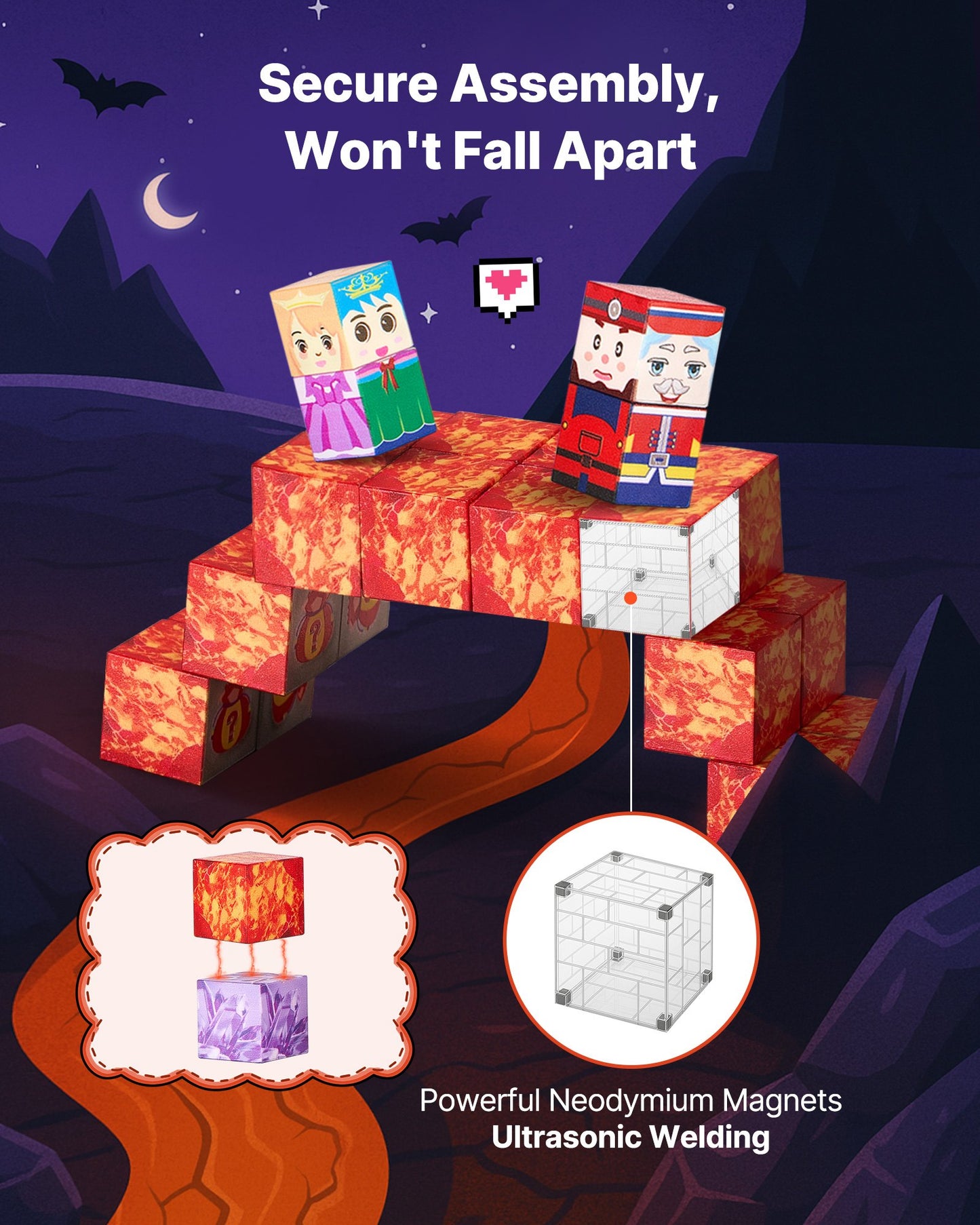


Watching your child learn new things is very rewarding. I started teaching my child math with a special toy. It's an educational math toy that makes learning fun.
This hands-on learning experience really caught my child's eye. It also helped them learn math well. The 
Playing with this toy helps kids get math better. It makes them feel more confident and ready for school.
Key Takeaways
- Engaging kids in hands-on learning experiences
- Developing a strong foundation for future math skills
- Building confidence in math principles
- Introducing complex concepts in an intuitive way
- Fostering a love for learning and exploration
What Makes My Montessori Addition Toy Special
My Montessori addition toy is special because it's durable, green, and helps kids grow. It's more than a tool for learning addition. It's a special tool made to help kids really get math.
The Wooden Components and Thoughtful Design
This toy is made from strong, safe wood. It's good for the planet and for kids. The design lets kids see and play with numbers. This helps them understand addition better.
Durability and Sustainability Features
The toy is built to last, with non-toxic paint and strong parts. It's safe for kids and good for the earth. This makes learning fun and safe.
| Feature | Benefit |
|---|---|
| Durable Wood | Long-lasting, withstands regular use |
| Non-toxic Paint | Safe for children, environmentally friendly |
| Thoughtful Design | Promotes concrete understanding of addition |
Age Appropriateness and Developmental Considerations
This toy is for kids aged 3-6. It's a key time for learning math. The toy is made just for this age group. It helps their brains grow and prepares them for more math later.
My Montessori addition toy is all about being strong, green, and right for kids. It gives kids a great way to learn that follows Montessori ideas.
Understanding the Montessori Approach to Mathematics
The Montessori method changes how kids learn math. It uses tools like the montessori counting toy. This makes learning math fun and hands-on.
Concrete to Abstract Learning Principles
The Montessori method starts with real objects. Kids learn math by touching and feeling things. This builds a solid math base.
Sensorial Learning in Mathematics
Sensorial learning is key in Montessori math. Kids use objects to learn. This helps them understand hard ideas better.
The Importance of Manipulatives
Manipulatives, like counting beads, are very important. They help kids learn math in a real way. This makes math fun and easy to get.

Self-Directed Discovery in Math Education
Montessori math lets kids learn on their own. They can go at their own speed. This builds confidence and independence.
How Montessori Math Differs from Traditional Approaches
Montessori math is different from old ways. It's all about hands-on learning. Kids learn math and how to solve problems.
Using Montessori math, kids get a great education. It prepares them for school and helps them succeed.
Key Benefits of Using Montessori Addition Toys
Montessori addition toys are great for kids. They help kids love math for life. These preschool math manipulatives make learning fun and hands-on.

Developing Strong Number Sense and Mathematical Foundations
Montessori addition toys help kids understand numbers well. They use real materials to show math ideas. Dr. Maria Montessori said, "The child learns by the hand, not just by the eye or the ear."
"The hand is the instrument of the mind."
This way, kids get a strong math base. It makes learning harder math easier later.
Building Concentration, Independence, and Confidence
These toys help kids learn on their own and focus better. They learn at their own speed. As they get better, they feel more sure of themselves.
This sureness is key for loving math and learning. Kids also learn to make choices and fix mistakes. This skill helps in many parts of life.
Fostering a Positive Relationship with Mathematics
Most importantly, these toys make math fun. They stop kids from getting scared of math. Instead, they start to love exploring math.
Using montessori learning resources like these toys is very important. They give kids a strong start in math. They help kids feel confident and positive about math.
How I Use This Montessori Addition Toy with Children
Using the Montessori addition toy with kids really helps them learn addition. It's a fun way to learn math.
Step-by-Step Introduction Process
Teaching kids about the Montessori addition toy is a step-by-step job. First, we learn about the toy's parts and what they do.
First Presentation Techniques
At first, we show how to use the toy's parts to count and add. We start by counting the beads and linking them to numbers.
Common Questions Children Ask
Kids often wonder why we use beads to count. They ask how it helps with addition. These questions help us explain the Montessori method.
Progressive Learning Activities and Extensions
As kids get better, we add harder activities. We start with simple addition and then make it harder.
| Activity | Description | Learning Outcome |
|---|---|---|
| Simple Addition | Using the toy to add single-digit numbers | Understanding basic addition concepts |
| Multi-digit Addition | Using the toy to add multi-digit numbers | Developing skills for more complex addition |
| Word Problems | Using the toy to solve real-world addition problems | Applying addition skills to practical scenarios |

Supporting Learning at Home for Parents
Parents can help at home by letting kids practice with the toy. Asking them to explain their thinking helps too.
This way, kids get better at addition and feel more confident in math.
Complementary Montessori Math Materials for Continued Growth
As kids get better at math, using more Montessori math stuff helps a lot. These tools add to what they learned from the start, like my Montessori addition toy.
Number Rods and Counting Beads
Number rods and counting beads help kids understand numbers better. Number rods show how long numbers are. Counting beads teach counting and simple math.
For example, kids can add by counting beads together.
Number Cards and Math Games
Number cards and math games make learning math fun. They teach kids to recognize numbers and solve problems. Kids can match numbers or solve simple math problems.
Moving to Subtraction and Beyond
When kids get good at adding, they can learn subtraction. Using wooden math toys and counting beads helps them. This is important for learning all about math.
| Material | Concept | Learning Outcome |
|---|---|---|
| Number Rods | Quantity and Length | Understanding number sequences |
| Counting Beads | Counting and Basic Arithmetic | Practicing addition and subtraction |
| Number Cards | Number Recognition and Sequencing | Recognizing and ordering numbers |

Conclusion: Investing in Your Child's Mathematical Future
Buying Montessori toys and materials is a smart move for your child's math skills. These tools offer hands-on ways to learn math. This helps kids build a solid math base.
Montessori learning tools help kids really get math. They make math fun and interesting. This makes kids love math for a long time.
As a parent, using these tools is a great way to help your child. It boosts their math skills and confidence. This helps them do well in school and life.
Choosing Montessori toys is a gift for your child's math future. It prepares them for success in school and beyond.
FAQ
What is a Montessori addition toy?
A Montessori addition toy is a special math toy. It helps kids learn addition by doing hands-on activities. This builds a strong base for math skills later on.
What are the benefits of using a Montessori addition toy?
Using a Montessori addition toy helps kids in many ways. It improves their understanding of numbers. It also helps them focus better and work on their own. Plus, it makes math fun and positive.
What makes Montessori math materials different from traditional math materials?
Montessori math materials, like the addition toy, teach in a special way. They use hands-on learning and exploring. This is different from old ways that just focus on memorizing.
What is the recommended age range for using a Montessori addition toy?
Kids aged 3 to 6 are best for Montessori addition toys. It depends on how ready they are to learn.
How can I support my child's learning at home with a Montessori addition toy?
To help at home, start by introducing the toy step by step. Then, offer more activities as they get better. Let them explore on their own. Also, add other Montessori math tools.
What are some complementary Montessori math materials that can be used with the Montessori addition toy?
You can use number rods, counting beads, and math games with the addition toy. These help kids learn more and get ready for harder math like subtraction.
Are Montessori math toys durable and sustainable?
Yes, many Montessori math toys, like wood ones, are made to last. They are a smart choice for your child's math education.
Can Montessori addition toys be used for children with different learning styles?
Yes, Montessori addition toys work for all kinds of learners. They let kids learn at their own speed and in their own way. This is great for kids with different learning needs.
Continue Shopping by Learning Goal
Start with Educational Toys, then explore Educational Toys and STEM Toys.
Secure checkout • Free worldwide shipping • Review current product details before purchase