
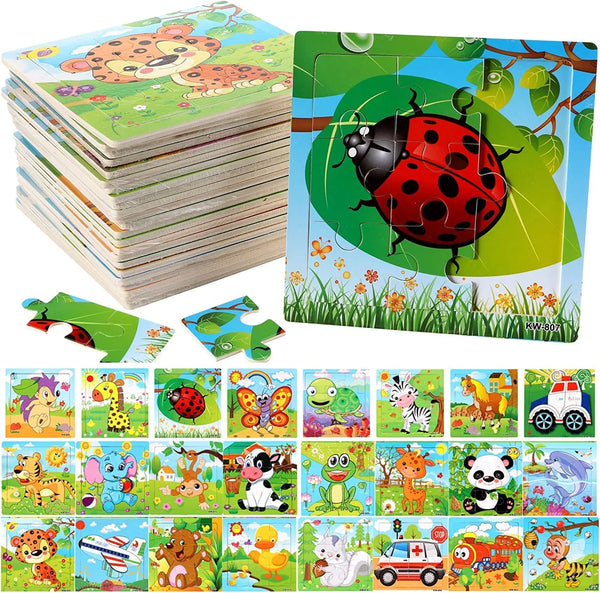

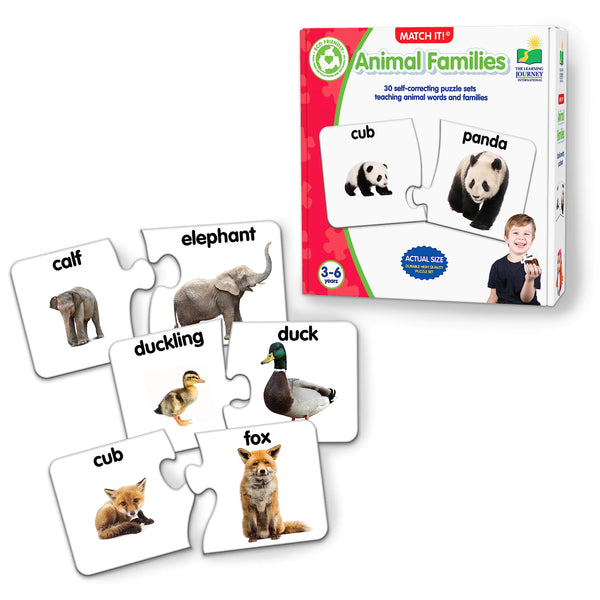
Exploring nature through animal science educational toys is a fantastic way to ignite a child's curiosity and foster a love for the natural world. These toys are designed to be both fun and educational, providing hands-on learning experiences that are essential for young, developing minds.
From understanding habitats to learning about complex food chains, these toys offer a comprehensive approach to biological sciences. At Wonder Kids Toy, we believe that when children interact with realistic figures and science kits, they develop a deeper appreciation for life on Earth. These tools pair perfectly with our broader collections of educational toys and science and nature toys.
Table of Contents
Why Abstract Biology Often Fails to Engage
For many children, learning about "ecosystems" or "life cycles" from a textbook feels like a chore. The concepts are too large and too far away. This leads to the "Screen-Time Slump," where kids prefer digital simulations of nature rather than interacting with the real world. Without a physical way to bridge the gap between their bedroom and the backyard, biology remains just another school subject rather than a living, breathing adventure.
Why Missing Hands-On Milestones Stunts Progress
Early childhood is a peak "sensitive period" for sensory exploration and empathy building. If children aren't given the chance to physically manipulate models or observe local wildlife, they miss out on developing spatial reasoning and executive function. As we explored in our guide on cognitive skill development, the absence of tactile science play can lead to a lack of independence in learning and a failure to develop a personal sense of environmental responsibility.
Active Discovery through Animal Science Toys
The best solution is to turn your home into a naturalist's hub. High-quality animal science toys turn abstract biological processes into something a child can grasp and observe. When a child assembles a life-cycle model or tracks backyard footprints with an explorer kit, they receive haptic feedback that reinforces the brain's understanding of the natural world. This is the cornerstone of Wonder Kids Toy’s educational philosophy.
By utilizing these tools, you allow your child to lead their own discovery, building the confidence needed for future academic success. These toys pair perfectly with our problem-solving play sets to help children understand the physical logic of the wild.
Ready to start your child's backyard safari?
Explore our expert-vetted collection of animal kits designed to spark wonder and empathy.
Shop Animal Science ToysUnderstanding energy flow is a core biological concept that animal toys help make tangible.
How Animal Science Toys Teach Core Biology
1. Life Cycles and Metamorphosis
Life cycle models allow kids to physically see the stages of growth, from egg to adult. This builds patience and a sense of timing. As we noted in our guide on science kits to ignite young minds, visual repetition is key for grasping the concept of biological transformation.
2. Habitats and Ecosystem Logic
By placing animals in their correct biomes (e.g., a polar bear in the Arctic vs. a lion in the Savannah), children learn about adaptation and structural biology. For more building-focused nature play, check out our guide on construction toys that inspire learning.
Animal Discovery Tool Selection Guide
Realistic Figures
Best for: Identification & Roleplay
Main benefits: Vocabulary, fine motor skills
Typical age: 3 - 6 Years
Explorer Kits
Best for: Outdoor active tracking
Main benefits: Observation, recording data
Typical age: 6 - 10 Years
Life Cycle Models
Best for: Visualizing transformation
Main benefits: Sequencing, biological logic
Typical age: 4 - 8 Years
Expert Picks for Future Naturalists
To truly elevate your child's biological journey, consider these high-impact examples that bridge the gap between play and real-world science.
The Physics of Wildlife: Arch Bridge Rainbow Blocks
Nature is built on structural arches, from turtle shells to honeycomb. Our rainbow arch bridge blocks provide a hands-on lesson in structural integrity, which mirrors the logic found in the anatomy of animals.
The Math Bridge: Stacked High Block Toys
Understanding the size of different species requires spatial logic. Our stacked high block toys help children understand height and volume, essential for comparing a mouse to a mammoth.
Conclusion: Building a Foundation for Environmental Care
Animal science toys are more than just playthings; they are the architectural tools for your child's logical and empathetic mind. By choosing tactile engagement over passive consumption, you are building the cognitive foundation that will serve them for a lifetime. As we discussed in our guide on the power of educational toys, every tracked footprint is a neural connection forged.
Ready to start the discovery?
Browse our full range of animal science and nature toys and prepare for a season of wonder.
Explore All Educational ToysFrequently Asked Questions About Animal Science Toys
1. What are animal science educational toys?
They are toys specifically designed to teach biological concepts like habitats, behaviors, and life cycles through active play.
2. At what age should I introduce animal figures?
Simple identification figures are great for toddlers (18m+), while complex habitat kits are best for children aged 6-10.
3. How do animal toys build empathy?
By encouraging children to "care" for realistic animal models and learn about their specific environmental needs, they develop real-world compassion.
4. Do animal science toys help with school performance?
Absolutely. Hands-on learning increases retention of abstract biological laws far more effectively than textbooks alone.
5. What is "haptic feedback" in science toys?
It is the physical information the brain receives through touch—like the weight of a model or the texture of a fossil—which aids memory.
6. Are these toys safe for outdoor use?
Most are, but always check if the material is waterproof or UV-resistant before leaving them in the yard.
7. Why choose realistic figures over cartoon ones?
Realistic models provide accurate visual identification and help children recognize actual animals in the wild.
8. Can animal toys help with speech delays?
Yes! Identifying and naming animals, and using them for storytelling, provides a high-interest way to practice new vocabulary.
9. What is a "Control of Error" in biology play?
It's a design feature where the child can see for themselves if an animal belongs in a certain biome (e.g., a shark won't fit in a tiny desert model).
10. How do I maintain realistic animal models?
Wipe them with a damp cloth and mild soap; avoid harsh chemicals that could peel off the non-toxic paint.
11. Do tracking kits help with focus issues?
Yes, searching for tracks and identifying them in a field guide requires sustained, patient attention.
12. Can a child learn to read from science toys?
Many sets come with fact cards that encourage children to associate animal names with physical objects, aiding literacy.
13. What is "spatial awareness" in nature play?
It is the ability to visualize how an animal fits and moves within its 3D environment.
14. Are there animal toys for toddlers who mouth things?
Yes, look for large, single-mold figures from reputable brands like Safari Ltd that use non-toxic BPA-free plastic.
15. How long should a nature play session last?
20-40 minutes is ideal for maintaining interest and focus in younger children.
16. Why is role-play important in science?
Dressing as a ranger or scientist helps children build empathy for naturalists and sparks creative narratives.
17. Do nature puzzles improve cognitive skills?
Yes! They enhance pattern recognition, memory, and hand-eye coordination.
18. How do I clean bug catchers and nets?
Rinse with water and air dry completely before storing to prevent mold or odors.
19. Can toys help with an interest in conservation?
Yes, habitat models specifically show how the loss of an environment affects the species that live there.
20. What is the benefit of a 3D animal puzzle?
It forces the brain to translate a 2D mental image into a 3D structure, massively boosting spatial development.
21. Are LEGO animals considered science toys?
They are more about engineering, but they can be used for roleplay to supplement biological lessons.
22. Can I make DIY animal habitats at home?
Yes! Cardboard boxes, clay, and sand are fantastic, budget-friendly ways to build biomes.
23. Why is "cause and effect" important in nature?
Understanding that a change in food source (cause) affects the animal (effect) is the foundation of ecological logic.
24. Why choose Wonder Kids Toy for nature gear?
We curate only high-quality, durable, and safety-vetted tools designed for genuine childhood joy.
25. Do astronomy toys complement animal toys?
Yes! Many species navigate by the stars or follow seasonal cycles driven by celestial movement.
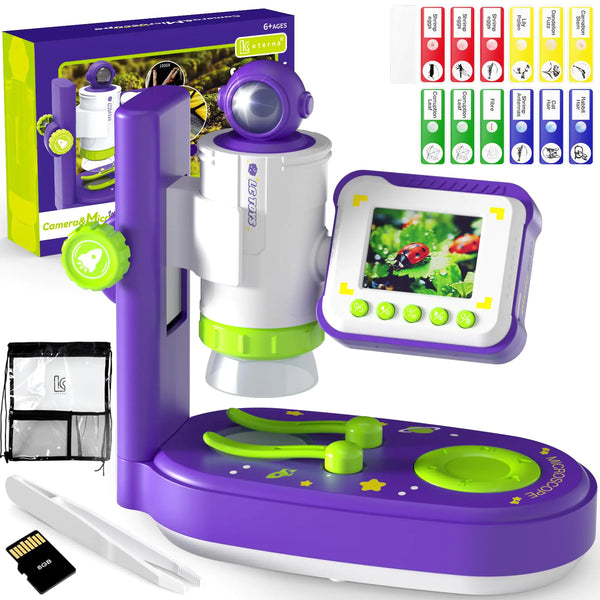
26. What is the benefit of a microscope for biology?
It reveals the invisible world of cells and small organisms, fostering deep appreciation for life sciences.
27. Do toys help with understanding migration?
World exploration and geography toys show the long paths animals take each year across the globe.
28. Is adult involvement required for science kits?
Active parent interaction significantly boosts the educational value and ensures safety with small parts.
29. Can water toys be educational for biology?
Yes! Sprinklers and bath pipes can teach about water flow and the aquatic environments animals need to survive.
30. Where can I find more nature parenting tips?
Explore the Wonder Kids Toy blog for expert guides on early childhood development and learning through play.