EDUCATIONAL TOYS AGE 3 · 2026
The best educational toys for 3-year-olds fit the child’s preferred way to play and the household’s practical needs. Compare puzzles, drawing, music and construction by activity, pieces, setup, sound, storage and exact age guidance rather than relying on broad learning claims.
Shop Toys for 3-Year-Olds
Table of Contents
Quick Picks by Play Style
Puzzles and matching
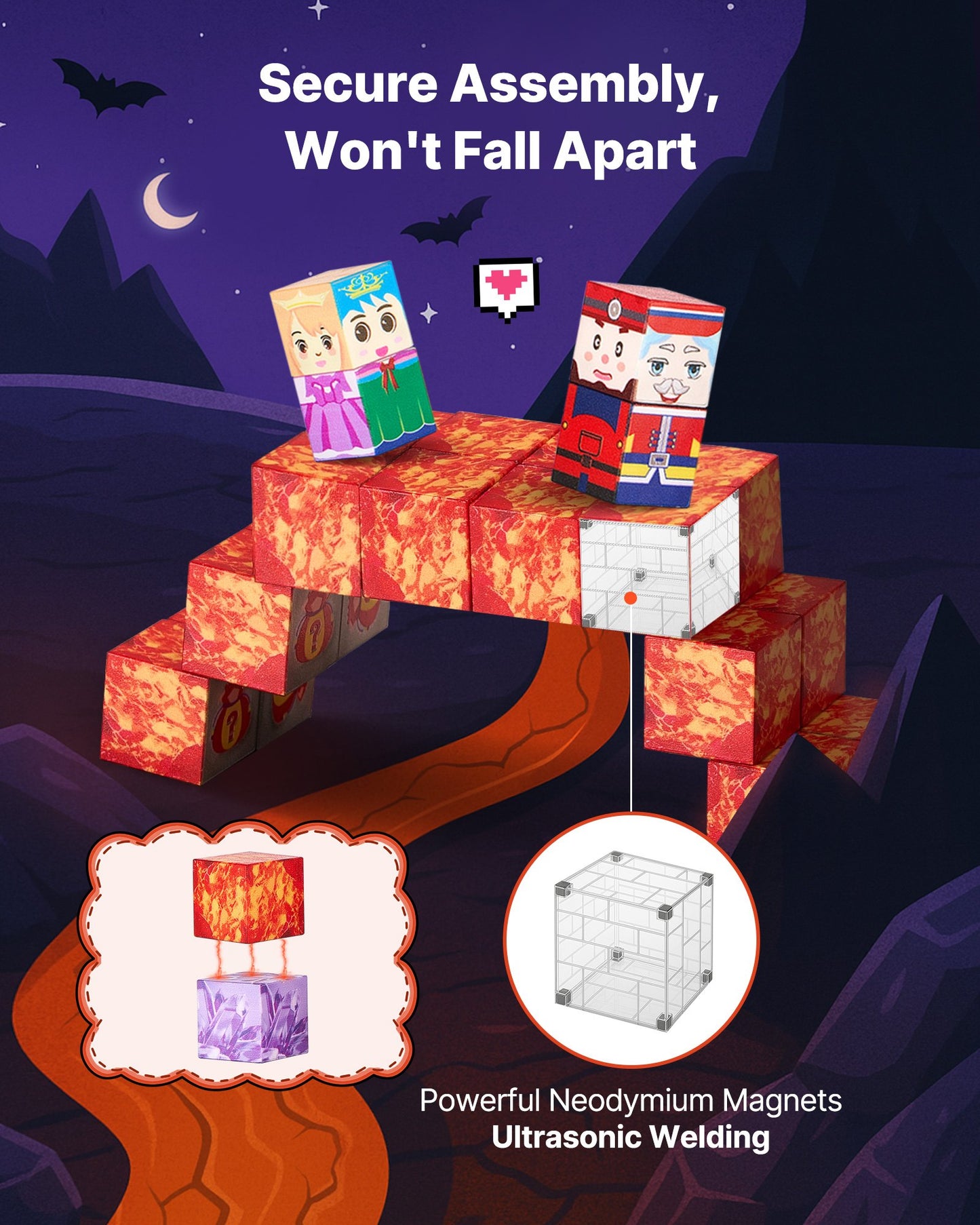
Choose a defined activity with pieces that have a clear destination. Compare piece size, magnetic parts and how the set is stored.
Drawing and design
Look at working area, reusable surfaces, included accessories and whether the activity needs batteries, charging or replacement supplies.
Music and sound
Compare controls, volume, power source, size and whether the toy suits independent use or shared family play.
Building and construction
Check connector type, piece count, floor space and the time required to put the full set away.
What to Compare Before Buying
The actual activity
Start with what the child enjoys doing—matching, drawing, building, pretending or making sound—rather than selecting by the number of advertised features.
Piece count and cleanup
A larger set can offer more choices, but only when its pieces can be stored, counted and returned after play.
Setup time
Some toys are ready immediately. Others need batteries, assembly, a protected work surface or adult preparation.
Exact age guidance
Confirm the product page and packaging. Similar-looking toys can contain different components and may carry different guidance.
Age-Three and Household Guidance
For shorter play sessions
A compact puzzle, sorter or drawing activity can be easier to start and reset.
For longer projects
Building sets and larger creative activities may suit users who enjoy returning to the same setup, provided the pieces and instructions fit.
For shared spaces
Choose contained formats when the toy will be used at a kitchen table, in a living room or near younger siblings.
For mixed-age homes
Store any unsuitable loose pieces, magnets, cords, batteries or accessories where younger children cannot reach them.
Current Toys to Compare


Practical Buyer Comparison
Puzzle or matching toy
Best for: a clear beginning, task and reset
Check: piece size, magnets, storage and missing-piece risk
Drawing or design toy
Best for: reusable visual play at a table
Check: surface size, accessories, mess, charging or batteries
Music toy
Best for: sound-focused play and simple controls
Check: volume, power, durability and household tolerance
Building set
Best for: repeated structures and longer play
Check: piece count, connectors, floor space and cleanup
Frequently Asked Questions
1. What are good educational toys for a 3-year-old?
Families commonly compare puzzles, drawing toys, building sets, pretend-play materials and simple musical toys. The best choice depends on the child’s interests and the product’s exact guidance.
2. Should I choose one activity or a multi-activity toy?
A focused toy can be quicker to understand and reset. A multi-activity toy can offer variety but may require more pieces, storage and setup.
3. Are magnetic puzzles suitable for every 3-year-old?
No product should be assumed suitable based on title alone. Check the exact age guidance, magnet enclosure, piece dimensions and supervision instructions.
4. What works well in a small home?
A compact puzzle, drawing board or contained sorter is usually easier to store than a large floor set.
5. Are musical toys a good gift at age three?
They can be a practical choice when the child enjoys sound and the household is comfortable with the toy’s volume, controls and power needs.
6. How many pieces should an age-three toy have?
There is no ideal number. Choose a count that provides enough variety without creating an unrealistic cleanup routine.
7. Are electronic educational toys better than wooden toys?
Neither material nor electronics automatically makes a toy better. Compare the activity, construction, power needs, pieces and likely repeat use.
8. Can a 3-year-old share toys with younger siblings?
Only when every component is appropriate for every child who can access the play area. Otherwise, store the toy separately.
9. How can I avoid buying a toy that is used only once?
Choose an established interest, review how the toy can be reused and make sure setup and storage fit everyday routines.
10. Where can I shop educational toys for 3-year-olds?
WonderKidsToy’s live age-three, educational, puzzle, building and musical collections contain current options.
Choose the Play Style First
Select the activity the child already returns to, then compare product guidance, pieces, setup and storage before buying.
Compare Educational ToysContinue Shopping by Learning Goal
Start with Educational Toys For 3 Year Olds, then explore Educational Toys and STEM Toys.
Secure checkout • Free worldwide shipping • Review current product details before purchase