PLAY • DISCOVER • GROW
Wooden 3D Puzzle Toy for Kids
Wooden 3D Puzzle Toy for Kids brings purposeful activity into everyday family life with a parent-friendly format that encourages children to explore, practise and learn through doing.
A More Purposeful Way to Play
Wooden 3D Puzzle Toy for Kids gives families a practical way to turn ordinary playtime into focused, hands-on discovery. Instead of relying on passive entertainment, children can explore the product directly, notice what happens, try an idea, adjust their approach and enjoy the satisfaction of making progress. That simple cycle can support patience, curiosity and independent thinking while keeping play approachable for everyday home routines.
Why Parents Choose It
Parents often want an activity that is interesting enough to invite repeat play but flexible enough to fit different moods and attention spans. Wooden 3D Puzzle Toy for Kids can be introduced as a short quiet-time task, a shared parent-and-child activity, a learning-centre choice or part of a longer imaginative session. The experience can be simplified for a first attempt and made more challenging later by adding a goal, a sequence or a time for reflection.
Skills Children Can Explore
Depending on the selected option and the child’s developmental stage, play may encourage visual attention, hand-eye coordination, fine-motor control, matching, sequencing, spatial reasoning, memory and problem solving. Children can practise observing details, comparing choices, predicting results and correcting mistakes. These are useful learning habits, but every child develops differently; this product should be treated as a playful support rather than a promise of a specific developmental result.
How Play Can Begin
Start by giving the child time to look at the product and identify the main pieces or controls. Demonstrate one clear action, then pause so the child can try. Use open prompts such as “What do you notice?”, “Which piece might fit?” or “What could you try next?” If frustration appears, reduce the challenge rather than completing everything for the child. Small, successful steps help build confidence and encourage another attempt.
Ideas for Repeat Play
Keep the activity fresh by changing the goal. Ask the child to sort or arrange elements, copy a simple pattern, explain a choice, create a story, take turns, or teach the activity to someone else. Older or more confident players may enjoy planning before acting or comparing two different methods. Younger learners may benefit from fewer pieces, shorter sessions and more modelling. Always adapt the activity to the child and the exact option purchased.
Learning Through Conversation
Shared conversation can add value without turning play into a lesson. Describe colours, shapes, positions, sounds, movements or sequences that are genuinely visible in the selected product. Invite the child to explain what happened and why. Parents can model calm problem solving by saying, “That did not work yet—let’s look again.” This language helps normalise experimentation and shows that mistakes are a useful part of learning.
Independent and Shared Play
Wooden 3D Puzzle Toy for Kids can support independent exploration when the child already understands safe use, while shared play can encourage communication and turn-taking. A parent, caregiver, sibling or friend can participate by setting a challenge, choosing the next step or celebrating effort. For group play, keep roles simple and fair. Adult supervision remains important, especially where loose pieces, moving parts or powered features may be present.
Screen Classification
Fully screen-free hands-on play based on the verified product type and option names.
Available Options
This listing currently includes the following verified option names: Luxury Dutchman, Gothenburg Basic. Option names may describe a design, colour, format, component set or supplier variation. They do not always confirm every item in the package. Select carefully before checkout and use the product images and packaging as the final reference for included pieces, appearance, measurements and operating details.
Buying Guidance for Parents
Before ordering, consider where the product will be used, how much storage space is available and whether the child is ready for the play style. Compare the selected variant with the images, then review any listed measurements, contents, material notes and power information. If a specification is not shown clearly, please review the product images or packaging for confirmation. Avoid assuming that accessories displayed for illustration are automatically included.
Safe and Comfortable Play
Inspect the product and every component before first use and regularly afterward. Do not use damaged, loose or broken pieces. Follow all warnings and age guidance on the packaging, and provide active adult supervision. Keep small pieces away from children who may mouth objects. Use the product on a stable surface with enough clear space, and make sure hair, clothing and fingers stay clear of moving parts where applicable.
Care, Storage and Longevity
Good storage makes repeat play easier. Count and gather pieces after each session, keep them dry and place them in a container or designated shelf area. Follow the manufacturer’s care instructions when available. Do not soak, heat or use harsh cleaners unless the packaging specifically allows it. For electronic options, keep power areas dry, remove or manage batteries according to the instructions, and store the item away from extreme heat.
A Thoughtful Gift Choice
Wooden 3D Puzzle Toy for Kids may suit birthdays, holiday gifting, learning-room refreshes, travel preparation or a simple surprise for a child who enjoys hands-on challenges. A strong gift match depends on the child’s interests, abilities and the selected option. Pair it with time to explore together: a calm introduction and genuine attention can make the activity feel more meaningful than handing over the product without context.
Support Curious, Hands-On Learning
Choose the option that best matches the child and your family’s play routine. With patient guidance, realistic expectations and careful safety checks, Wooden 3D Puzzle Toy for Kids can become a useful addition to a home play shelf. Add the preferred variant to your cart after reviewing the option name, product images and available packaging information.
Commonly Asked Questions by Parents
What does this product help children practise?
It supports hands-on exploration, attention, planning, coordination and age-appropriate problem solving. The exact play pattern depends on the option selected.
Is it screen-free?
It is designed as a hands-on, screen-free activity. Children interact directly with the pieces or play elements rather than using an app.
Which option will I receive?
You will receive the option selected before checkout. Available option names include: Luxury Dutchman, Gothenburg Basic. Check the selected variant carefully because contents and functions may differ.
What age is it suitable for?
Choose according to the child’s current abilities and the guidance shown on the product packaging. Because verified manufacturer age guidance is not available for every option, adult judgement and supervision are important.
Does it contain small parts?
Small-part information can vary by option. Review the product images and packaging before use, keep loose components away from younger children, and supervise play.
What is included?
Contents depend on the selected variant. Use the option title, product images and packaging as the final reference; accessories shown in lifestyle images may not be included.
What material is it made from?
Material details are not fully verified for every option. Please review the product images or packaging for confirmation before purchase or use.
How large is it?
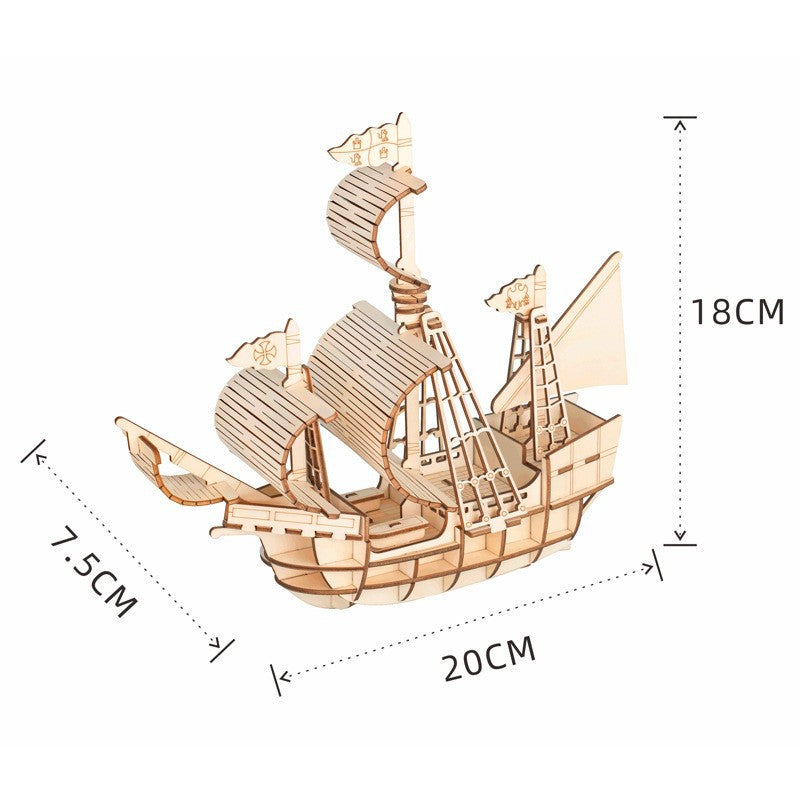
Dimensions are not consistently verified across all variants. Review the selected option, product images and packaging for confirmation, especially when storage or travel size matters.
How should families introduce it?
Begin with a short demonstration, allow unhurried exploration, and offer one simple challenge at a time. Reduce help gradually as the child understands the play pattern.
Can siblings use it together?
Many families can adapt it for turn-taking and cooperative play. Supervise shared use, divide roles clearly and confirm that every participant can use the pieces safely.
Is it a good gift?
It can be a thoughtful choice for birthdays, holidays, learning corners, travel kits or everyday encouragement when the selected option matches the child’s interests and abilities.
How should it be cleaned and stored?
Follow any care directions on the packaging. As a general precaution, wipe gently with an appropriate soft cloth, avoid soaking unless instructions permit it, dry fully and store all pieces together.
What should I check before ordering?
Confirm the selected option, visible contents, size guidance, material information, power requirements and age suitability in the product images or packaging. Contact support if a detail is essential to your decision.