Skip to product information
1 of 33

Screen-Free Early Learning Math Manipulatives – Fun Preschool Math & Logic Building Toy

Screen-Free Early Learning Math Manipulatives – Fun Preschool Math & Logic Building Toy

Regular price $56.00
Regular price Sale price $56.00
Sold out
Tax included.
QUICK BUYING GUIDE

Choose the exact option before checkout

Match the selected option to its product image, price and details before adding it to your cart.

  • Check the selected option name and matching image
  • Confirm the displayed price for that exact option
  • Review shipping, returns and order-support details below
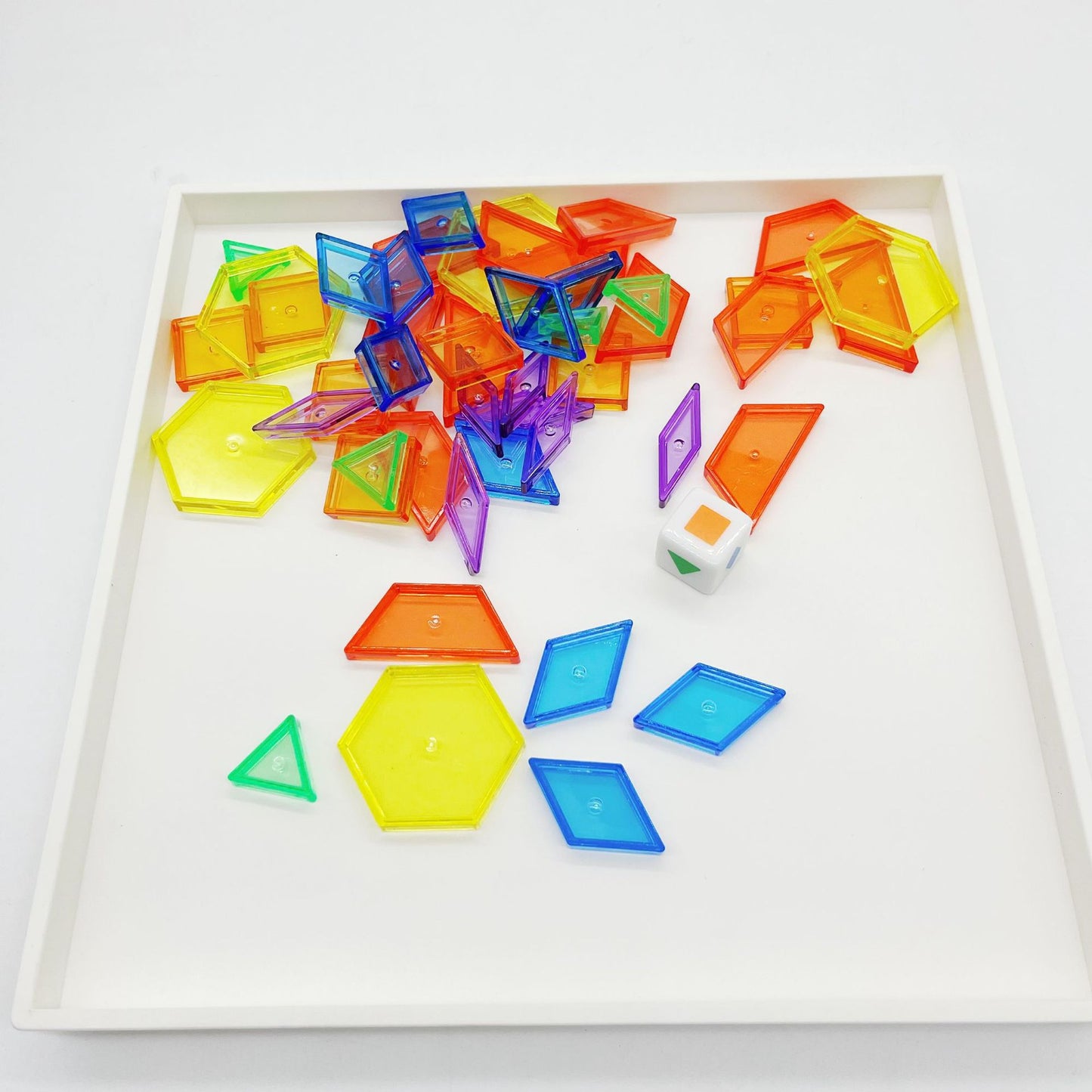
Currently selectedTransparent 3D Shapes 60Pcs ShapeChart29 options are available in this listing.
Color
FREE DIGITAL LEARNING LIBRARY 130+ Learning Books Included

Extend the learning beyond the toy with a digital collection of educational books and activities.

Included FREE with your purchase Delivered automatically by email after purchase
INCLUDED FREE
Secure checkoutProcessed through Shopify
Order updatesTracking details are sent when available
Shipping detailsReview delivery information Returns & supportReview eligibility and conditions
What you'll receive

Your order includes the selected variant shown above:

Transparent 3D Shapes 60Pcs ShapeChart

Please review the selected option, product images and product details before ordering.

Shipping & delivery

Delivery timing can vary by destination and order. Please review our Shipping Policy for current information.

Returns & order help

Need help with an order or return? Review our Refund Policy for eligibility, conditions and next steps.

Secure payment options
American Express Apple Pay Diners Club Discover Google Pay Mastercard PayPal Shop Pay Visa
HANDS-ON, SCREEN-FREE PLAY

Turn “I’m bored” moments into little learning wins.

Children learn beautifully when they can touch, sort, match, count and discover for themselves. This collection of early-learning math manipulatives gives curious kids a playful way to stay engaged—without needing an app, a screen or a complicated parent-led lesson.

Choose the set that fits what your child loves right now, then watch ordinary playtime become a chance to practise, experiment and proudly say, “I did it!”

Why parents love hands-on learning toys

Play with a purpose

Each activity invites children to do something—match, sort, build, count or solve—rather than simply watch.

Easy to bring into the day

Perfect for quiet time, after-school play, homeschool activities, travel downtime or a few calm minutes together.

Grows with repetition

There is no rush to “finish.” Repeating a favourite challenge helps children feel capable and ready to try the next step.

Creates real connection

A simple question—“Can you find another one?”—turns play into a warm parent-child moment.

More than a toy—it’s an invitation to explore.

Depending on the set you select, your child can explore early math and language ideas through colourful, tactile play. Use the pieces to talk about numbers, colours, shapes, patterns, letters, animals or simple problem-solving. Start with one small challenge, let your child lead, and celebrate the effort—not just the answer.

  • For little hands: placing, picking up, arranging and turning pieces supports age-appropriate hand-eye coordination.
  • For growing minds: matching and sorting give children chances to notice similarities, differences and patterns.
  • For confidence: small successes encourage children to keep trying independently.
  • For family time: caregivers can naturally introduce useful words and numbers while playing together.

These are play opportunities, not guaranteed developmental or academic outcomes. Every child learns at their own pace.

Simple ways to use it from day one

Start small

Place out a few pieces and invite your child to explore before explaining the activity.

Make it a game

Try: “Can you find the matching one?” “Which has more?” or “What comes next?”

Follow their interest

If dinosaurs, animals, vehicles or colours grab their attention, use that as the starting point.

Pack it away together

Sorting the pieces at the end is one more satisfying activity—and makes the next play session easy.

Choose the set that is right for your child

This listing includes 29 different options, so the exact contents, size, material and activity vary by selection. You can choose from themes such as magnetic letters and numbers, 3D shapes, counting dinosaurs, farm animals, vehicles, bears, dice and matching-stick activities.

Please check the option name, matching product photos and package details before adding to cart. This helps ensure you receive the activity that best matches your child’s current interests and readiness.

A thoughtful gift parents will actually use

Instead of a toy that creates one exciting moment and then disappears into the toy box, give a child something they can return to in new ways. It makes a lovely birthday, holiday, preschool or “just because” gift when you choose a version suited to their age and interests.

Before first play

For a safe, enjoyable experience, please follow the age guidance and manufacturer’s instructions for your selected set. Inspect all parts on arrival, keep small or detachable pieces away from children who may mouth toys, and provide supervision appropriate to your child and the selected option—especially where magnets, batteries or small pieces are present.

Choose a set and make playtime count.

Pick the activity that sparks your child’s curiosity today—then give them a screen-free way to explore, practise and feel proud, one playful discovery at a time.

Frequently Asked Questions

What kind of learning are the Screen-Free Early Learning Math Manipulatives best for?

Hands-on counting, number recognition, sorting, logic, and early math exploration.

What math skills can these Early Learning Math Manipulatives help practice?

Depending on the activities, they can support counting, quantity, patterns, sorting, and simple operations.

How can parents use the Math Manipulatives at home?

Count objects, make groups, compare quantities, create patterns, and model simple math stories.

How should I introduce the Early Learning Math Manipulatives?

Begin with one clear task such as counting or sorting before adding more rules.

Can the Math Manipulatives support independent play?

Yes, once the child understands the pieces and the activity matches their level.

Can siblings use the Math Manipulatives together?

Yes. They can count, sort, build patterns, and create simple math challenges for each other.

What should I check before buying the Early Learning Math Manipulatives?

Check included pieces, learning activities, age guidance, piece size, and product dimensions.

Are the Screen-Free Math Manipulatives a good educational gift?

They can suit children who learn well through hands-on counting and logic activities.

How can I make Math Manipulative play more challenging?

Add larger quantities, patterns, missing-number tasks, grouping rules, and simple story problems.

Do the Early Learning Math Manipulatives require batteries?

Check the current product listing; screen-free manipulatives generally use hands-on manual play.
View full details