
-
 ✨ Learning Through Play
-
 🧠 Made for Curious Minds
-
 ✋ Hands-On Playtime
-
 🌟 Explore Through Play
-

-

-

-

-


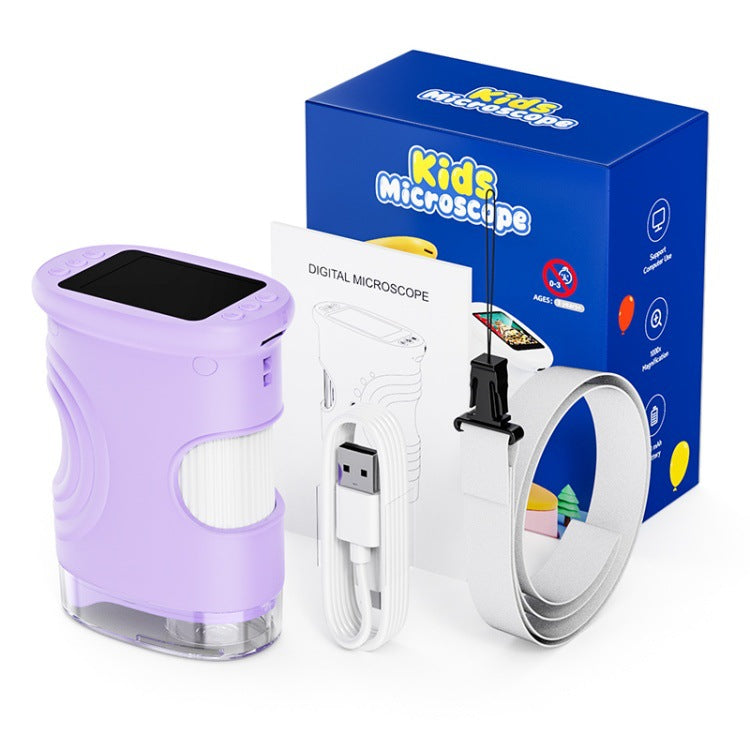
Handheld Microscope for Kids Science Learning
Handheld Microscope for Kids Science Learning
🎯 Parent-Friendly Play Highlights
- Learning Benefits Through Everyday Play
- Skills this activity may encourage
- How Children Can Play
- Choose the Right Option Before Checkout
Couldn't load pickup availability
Extend the learning beyond the toy with a digital collection of educational books and activities.
What you'll receive+
Your order includes the selected variant shown above:
White
Please review the selected option, product images and product details before ordering.
Shipping & delivery+
Delivery timing can vary by destination and order. Please review our Shipping Policy for current information.
Returns & order help+
Need help with an order or return? Review our Refund Policy for eligibility, conditions and next steps.
Handheld Microscope for Kids Science Learning
Finding an activity that feels exciting to a child and genuinely useful to a parent is not always easy. Handheld Microscope for Kids Science Learning turns ordinary play time into a hands-on opportunity for close observation of safe everyday samples and guided science journaling. Instead of asking children to sit through another passive activity, it gives them something purposeful to touch, test, arrange, compare and try again.
This handheld microscope for kids is written for families who value clear buying guidance, repeatable play and realistic learning benefits. The strongest value is not a promise of instant results. It is the chance to practise scientific curiosity, comparison, descriptive language and observation through short, enjoyable sessions that can grow with familiarity.
Parents can keep the first session simple: open the selected package, compare the contents with the product image, demonstrate one action and invite the child to copy or create a variation. This calm start reduces frustration and makes it easier to see which part of the activity captures the child’s interest.
Why Parents Choose This Hands-On Activity
Children often engage more deeply when they can see the result of each choice. A piece fits or does not fit, a mark appears, a pattern changes, or a model begins to take shape. That immediate feedback supports patient experimentation without turning play into a formal lesson.
- Purposeful play: close observation of safe everyday samples and guided science journaling gives children a clear starting point with room for imagination.
- Repeat value: The activity can be reset, rearranged or approached with a new prompt.
- Parent participation: Adults can model one step, ask open questions and celebrate careful effort.
- Flexible challenge: Begin with fewer choices, then introduce more pieces, rules or creative goals.
- Focused alternative: Electronic or optical learning tool; display features are not confirmed.
The product works best when adults focus on process rather than speed. Asking “What do you notice?”, “What could you try next?” or “Can you make another version?” encourages language and reasoning while leaving the child in control of the play.
Learning Benefits Through Everyday Play
Hands-on learning is valuable because children can connect an idea with a physical action. During this activity, they may plan a step, control a movement, observe the result and adjust their approach. Repeating that cycle can build familiarity and confidence.
Skills this activity may encourage
- scientific curiosity, comparison, descriptive language and observation through age-appropriate, supervised practice.
- Attention and persistence when the first attempt does not work as expected.
- Descriptive vocabulary as children explain colours, shapes, positions, patterns or changes.
- Sequencing as they decide what happens first, next and last.
- Independent decision-making when more than one solution or design is possible.
Every child develops differently. These benefits describe the kinds of practice the activity can invite; they are not medical, academic or developmental guarantees. Short sessions, encouragement and a challenge matched to the child are more useful than pushing for a perfect result.
How Children Can Play
Start with a “notice and explore” session. Let the child look at the pieces or surface, name visible features and ask questions. Next, demonstrate one basic action connected with close observation of safe everyday samples and guided science journaling. Keep the explanation brief so the child has time to discover how the product responds.
For a second session, add a small challenge. A parent might ask the child to copy a simple arrangement, find two matching features, complete one section, sort a few pieces, describe a change or invent a story about the finished result. Older or more confident children can plan before starting, explain their strategy and compare two possible solutions.
Shared play can add communication practice. Children can take turns choosing a piece or action, predict what will happen, help check the result and reset the activity together. When disagreement occurs, use it as a chance to practise taking turns and explaining ideas respectfully.
Choose the Right Option Before Checkout
Variants may differ by theme, colour, size, model, quantity or accessory bundle. Review the selected option and its matching image before checkout.
Variant titles may describe a theme, colour, package quantity, accessory bundle, model or size. Choose the exact option in the selector and compare it with the matching image before adding it to the cart. Images across the listing may show more than one configuration, so do not assume every pictured accessory comes with every option.
Materials, dimensions, batteries, language, piece count and exact accessories should be confirmed from the selected package information whenever they are not stated directly in the variant title. Please review the product images or packaging for confirmation. This careful check is especially important when buying for a birthday, classroom, trip or a particular storage space.
Safe and Child-Friendly Play
Adult supervision is recommended. Check the package age guidance and warnings before use, inspect all components at the start of each session, and stop using any part that becomes loose, cracked, sharp or damaged. Keep small pieces away from younger children and anyone who may place objects in their mouth.
Use the product only for its intended play activity on a stable, well-lit surface. Keep food and drinks away unless water is specifically part of the activity. If the selected option contains electronic, optical, tool-like or fastening components, follow the supplied instructions closely and do not substitute household items.
Protect optical surfaces, use a soft lens cloth, and never point the device toward the sun, lasers or intense light. Store the complete set together in a dry place so pieces are easier to find for the next session. Good storage protects the product and also teaches children that cleanup is part of the activity.
Commonly Asked Questions by Parents
What type of play does this product support?
It is designed for close observation of safe everyday samples and guided science journaling. Parents can begin with a simple demonstration and let the child explore at a comfortable pace.
Is this a screen-free toy?
Electronic or optical learning tool; display features are not confirmed. Review the selected product images and package information if electronic, sound, light or display features matter to your purchase.
Which skills can children practise?
The activity can encourage scientific curiosity, comparison, descriptive language and observation. Results vary by child, and the toy should be treated as a playful learning resource rather than a developmental guarantee.
What age is it suitable for?
A verified age range was not available in the retrieved catalog information. Please review the product images, packaging, warnings and local safety guidance before purchase.
What is included?
Contents depend on the selected variant. Use the variant title, matching image and package information as the final reference; do not assume accessories shown with another option are included.
Are there different options?
Yes. Current options include White, Orange, Pink, Purple.
Does it need adult supervision?
Yes. Adult supervision is recommended, especially during setup, when small components may be present, or when the activity uses water, optical parts, tools or electronic features.
How should parents introduce it?
Show one action slowly, explain a simple goal, and allow time for trial and correction. Add complexity only after the child understands the basic play routine.
Can siblings or friends use it together?
Shared play may work when children can take turns, compare ideas and keep all components organized. Supervise closely and adapt the activity to the selected set.
Is it suitable for travel or quiet time?
It may support quiet, focused play if the selected size and components are practical for your setting. Confirm dimensions and package contents before planning travel use.
How should it be cleaned and stored?
Protect optical surfaces, use a soft lens cloth, and never point the device toward the sun, lasers or intense light. Follow any care instructions supplied with the product, and stop using damaged components.
Are the materials and dimensions verified?
Only details shown in the selected variant and product images should be relied on. Please review the product images or packaging for confirmation of materials, dimensions and exact contents.
Why might this make a useful gift?
It offers an activity children can explore more than once and gives adults an easy way to join the play through questions, demonstrations and shared challenges.
What kinds of safe everyday samples can children explore?
Common household or nature items such as leaves, paper textures or fabric can be appropriate when clean, dry and safe to handle. Avoid sharp, hot, chemical, biological or unknown materials.
What should parents verify before the first use?
Confirm the selected colour and package contents, read all instructions and warnings, check the optical surfaces for damage, and verify any lighting, charging or battery requirements shown on the packaging.
Make Learning Feel Like Play
Choose Handheld Microscope for Kids Science Learning for a parent-guided activity built around curiosity, practice and repeatable hands-on discovery. Select the correct variant, review the package details, and create a simple first challenge that lets the child begin with confidence.
Frequently Asked Questions
What can kids explore with the Handheld Microscope for Kids?
What can kids explore with the Handheld Microscope for Kids?
What science skills can this handheld microscope support?
What science skills can this handheld microscope support?
What colors are available for the Handheld Microscope?
What colors are available for the Handheld Microscope?
Can the handheld microscope be used outdoors?
Can the handheld microscope be used outdoors?
How should a beginner focus the kids microscope?
How should a beginner focus the kids microscope?
Can kids use the microscope for simple science activities?
Can kids use the microscope for simple science activities?
Does the Handheld Microscope require batteries or charging?
Does the Handheld Microscope require batteries or charging?
How should the handheld microscope be stored?
How should the handheld microscope be stored?
How should the microscope lens be cleaned?
How should the microscope lens be cleaned?
What safety rules should kids follow with a handheld microscope?
What safety rules should kids follow with a handheld microscope?


🎯 Parent-Friendly Play Highlights
- Learning Benefits Through Everyday Play
- Skills this activity may encourage
- How Children Can Play
- Choose the Right Option Before Checkout
A closer look
See the Details
Explore 6 highlighted product images. Tap an image for a larger view. The main gallery above contains all 9 images.


