Skip to product information
1 of 7

Popular Pick • Limited Stock

38-Piece Large Particle Building Blocks: Safe, Screen-Free STEM Play for Young Builders

38-Piece Large Building Blocks for Kids Ages 3+

★★★★★ 4.9/5 Loved by Parents
Regular price $56.00
Regular price $112.00 Sale price $56.00
SAVE 50% Sold out
Tax included.
Style

You save $56.0050% off

Free worldwide shippingDelivery included

30-Day Order Issue SupportDamage, defects & incorrect items

Free US$99 Learning Vault130+ digital resources

Secure checkoutProtected by Shopify

USA delivery: 3–7 business daysEstimated after dispatch · Free shipping included.

38-PIECE LARGE BLOCK SET

Large Building Blocks for Stacking, Patterns and Open-Ended Construction

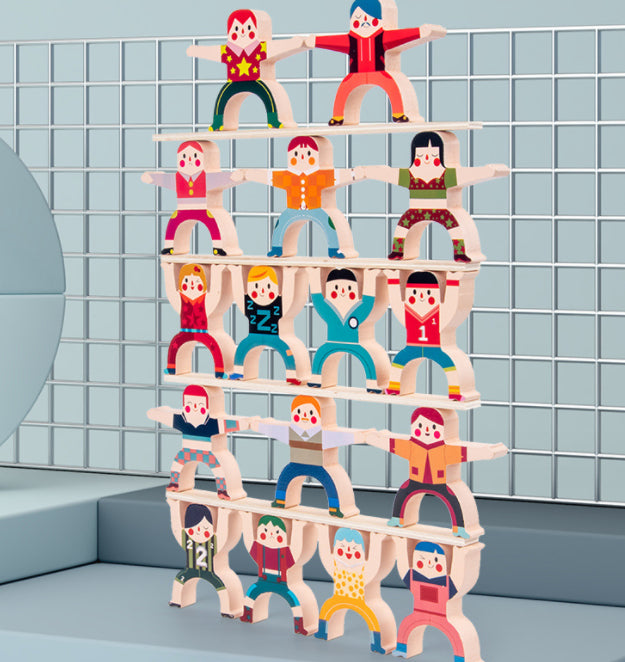
These 38-piece large building blocks for kids ages 3+ offer a physical construction activity for building, knocking down and trying again. Children can make towers, walls, bridges, rows and simple pretend structures while exploring how pieces fit and balance. The active option is Standard Set.

The title confirms 38 pieces and ages 3+, but exact block dimensions, materials, connection style, compatibility, colors and storage packaging are not fully confirmed. Parents should compare the gallery with the package and inspect every piece before play.

38-piece set

A manageable number of pieces for repeated structures and cleanup routines.

Large-block format

The gallery presents larger pieces, while exact measurements need verification.

Ages 3+ title

Follow the package age guidance and individual readiness.

Screen-free building

No electronic, app or screen function is documented.

Open-Ended Play Starts with a Simple Invitation

Some children begin building immediately; others need a small idea. A parent can place four pieces on the floor and ask for a bridge, tower or home for a toy figure. Once the child starts, step back and let the design change.

Knocking a structure down is part of the play. Children learn how balance and connection work through repeated attempts, not by making a perfect model.

Building Ideas for Different Attention Spans

For a short session, build one tower and compare it with a wider version. For a longer session, create a neighborhood, animal enclosure or route for toy vehicles. Keep any companion toys age-appropriate.

Pattern play can use color, shape or position. If colors and shapes vary from the gallery, use only the pieces actually included.

What Children May Practise

Building may provide opportunities to practise spatial reasoning, visual planning, hand control, balance, pattern recognition, counting and cooperative language. A child can describe why a base is wide or predict which piece will fit.

These are play opportunities, not assured developmental outcomes. The set does not automatically teach engineering or replace adult interaction.

Age Guidance and Piece Safety

The title positions the blocks for ages three and older, but the package warning is the final reference. Check whether any piece can fit into the child’s mouth and keep the set away from younger siblings who mouth toys.

Inspect pieces for cracks, loose parts, sharp damage or deformation. Stop use if a block no longer connects or sits safely.

Sibling and Parent-Child Building

Children can share one set by dividing roles: one sorts pieces, one builds the base and one adds details. Adults can support turn-taking without deciding the entire design.

Avoid competitions that encourage throwing or standing on blocks. The pieces are construction toys, not stepping stones or body supports.

Storage, Cleanup and Care

Count all 38 pieces after play. A lidded container, divided bin or supplied bag can keep the set together. Store the blocks away from heat and conditions that could deform the material.

Clean only as directed for the confirmed material. Dry pieces fully before storage and avoid harsh chemicals unless approved.

What to Check When It Arrives

Confirm Standard Set and the listed 38-piece count. Compare shapes, colors and connection types with the gallery and package list.

Verify age guidance, dimensions, materials, compatibility, cleaning method and storage contents before a child begins building.

Will 38 Pieces Keep a Child Interested?

Replay value depends less on the number of blocks than on how the challenge changes. The same pieces can become a tower, bridge, wall, animal home, road marker or color pattern. Keeping a few favorite figures nearby can add stories without requiring more blocks.

Parents can rotate prompts instead of showing a finished design to copy every time. Try “build something tall,” “make a doorway,” or “use exactly ten pieces.” Open-ended prompts allow different ages to use the same set at their own level.

Independent Play and Family Building

A child may build independently once the pieces are understood and the play area is safe, but adults should still inspect the set and remain available. Younger children may need help separating tightly connected pieces or managing frustration.

For family play, take turns adding one piece at a time or build two structures with the same number of blocks. Focus on cooperation, patient rebuilding and shared ideas rather than judging which structure is better or comparing children’s results. Let each builder explain what they made and how the pieces support one another.

Commonly Asked Questions by Parents

How many blocks are included?

The product is listed as a 38-piece set.

What option is available?

The active option is Standard Set.

What age is it for?

The title says ages three and older. Follow the package warning and child’s readiness.

Are the blocks large?

They are presented as large building blocks, but exact dimensions require package confirmation.

What material are they made from?

The exact material is not fully confirmed.

Are they compatible with another brand?

Compatibility is not confirmed. Do not assume they connect with other systems.

Is the set screen-free?

Yes. No electronic, app or screen function is documented.

What can children build?

Children can try towers, walls, bridges, patterns and imaginative structures.

Can siblings use one set?

Yes, siblings can sort, build and describe structures together with supervision.

Can children stand on the blocks?

No. They are building toys, not stepping or climbing equipment.

Can a child play independently?

Possibly after the pieces and rules are understood, while an adult remains available.

What skills may be practised?

Play may involve spatial planning, hand control, patterns, counting and problem-solving.

How should the blocks be stored?

Keep all 38 pieces in a secure container and count them during cleanup.

How should they be cleaned?

Use the manufacturer’s material-specific care instructions.

What should I inspect on arrival?

Check the count, shapes, connections, age label, materials and condition of every block.

Build, Rebuild and Let the Ideas Change

Review the Standard Set above, then confirm the 38-piece contents and exact block size when the package arrives.

Review the 38-Piece Set

Frequently Asked Questions

What age are the 38-Piece Large Building Blocks best for?

These large building blocks are best for kids ages 3 and up who enjoy stacking, connecting and building simple structures through hands-on play.

What skills do large building blocks help develop?

They support STEM learning, creativity, spatial awareness, hand-eye coordination, fine motor skills and problem-solving through open-ended building.

Are these blocks good for screen-free toddler play?

Yes. Large blocks are a helpful screen-free toy for young builders because they encourage independent play, imagination and repeat construction activities.
View full details

MADE FOR MEANINGFUL PLAY

What Makes This Toy Worth Exploring

A closer look at the play, learning and discovery benefits parents may value.

★★★★★
✓ Parent Perspective

Encourages open-ended building

Children can turn their own ideas into structures, patterns or designs.

★★★★★
✓ Parent Perspective

Supports problem solving

Building creates natural reasons to test, adjust and try a different solution.

★★★★★
✓ Parent Perspective

Builds spatial thinking

Children practice noticing how pieces fit, balance and relate to one another.

★★★★★
✓ Parent Perspective

Strengthens fine motor practice

Connecting, placing and adjusting pieces gives hands useful practice.

★★★★★
✓ Parent Perspective

Makes creativity visible

Children can see the result of their own ideas taking shape.

★★★★★
✓ Parent Perspective

Invites independent play

A building challenge can keep children engaged without requiring constant adult direction.

★★★★★
✓ Parent Perspective

Keeps replay value high

The pieces can be used in new ways each time children return to them.

★★★★★
✓ Parent Perspective

Builds confidence through completion

Finishing a design can give children a satisfying sense of progress.

★★★★★
✓ Parent Perspective

Encourages planning

Children can think ahead about what they want to make and what they may need next.

★★★★★
✓ Parent Perspective

Makes family play easy

Building together creates a natural shared activity for children and adults.

★★★★★
✓ Parent Perspective

Supports hands-on focus

The physical process of creating can encourage sustained attention.

★★★★★
✓ Parent Perspective

Offers flexible gift appeal

Building play works well for children who enjoy making, solving and experimenting.

★★★★★
✓ Parent Perspective

Easy to bring into everyday play

The activity can fit naturally into playtime without needing a complicated routine.

★★★★★
✓ Parent Perspective

Works for short or longer play sessions

Children can enjoy a quick activity or stay with it longer when they are deeply engaged.

★★★★★
✓ Parent Perspective

Encourages children to try again

A hands-on challenge can make another attempt feel worthwhile instead of frustrating.

★★★★★
✓ Parent Perspective

Can grow with changing play ideas

Children may discover new ways to use the toy as their interests and skills develop.

★★★★★
✓ Parent Perspective

Makes parent guidance simple

Adults can support play with questions, encouragement or a little help when needed.

★★★★★
✓ Parent Perspective

Supports child-led exploration

Children can make choices about what to try and how to continue.

★★★★★
✓ Parent Perspective

Helps keep play purposeful

The activity gives children something active to work toward, explore or create.

★★★★★
✓ Parent Perspective

Offers a break from passive entertainment

Play stays centered on doing, making and discovering.

★★★★★
✓ Parent Perspective

Easy to combine with other activities

The toy can often become part of stories, learning games or wider play setups.

★★★★★
✓ Parent Perspective

Creates opportunities for conversation

Parents can ask what children notice, predict or want to try next.

★★★★★
✓ Parent Perspective

Can become part of a regular play routine

A familiar activity can be easy to return to during everyday playtime.

★★★★★
✓ Parent Perspective

Keeps the focus on doing and discovering

Children learn through action rather than only through explanation.

★★★★★
✓ Parent Perspective

Makes learning feel less formal

Useful skills can develop naturally while children are having fun.

★★★★★
✓ Parent Perspective

Supports confidence through repetition

Repeated practice can help children notice their own improvement.

★★★★★
✓ Parent Perspective

Encourages children to make choices

Deciding what to do next gives children more ownership of play.

★★★★★
✓ Parent Perspective

Fits naturally into family playtime

The activity can work for independent play or shared moments with adults and siblings.

★★★★★
✓ Parent Perspective

Can support solo or shared play

Children can explore alone or invite someone else into the activity.

★★★★★
✓ Parent Perspective

Gives children a clear activity to return to

A familiar toy can provide an easy starting point when children want something to do.

★★★★★
✓ Parent Perspective

Encourages playful experimentation

Children can test ideas without needing every attempt to be perfect.

★★★★★
✓ Parent Perspective

Makes progress feel rewarding

Small improvements can give children a reason to keep going.

★★★★★
✓ Parent Perspective

Supports active engagement

The play experience keeps children involved through movement, decisions or hands-on actions.

★★★★★
✓ Parent Perspective

Can help build persistence

Working through a manageable challenge can encourage children not to give up immediately.

★★★★★
✓ Parent Perspective

Creates new ways to use familiar skills

Children can apply counting, planning, coordination or creativity in a fresh context.

★★★★★
✓ Parent Perspective

Keeps play centered on the child

The experience is designed around what children do, choose and discover.